Living in Apex NC: Lifestyle, Housing & Commute Insights
February 19, 2026
February 19, 2026
Thinking about making Apex your next home? Picture a walkable historic main street, miles of greenway trails, and easy access to the Triangle’s job centers, all in one town. Whether you’re relocating for work, rightsizing, or craving more outdoor time, Apex offers a mix of small‑town rhythm and regional convenience. In this guide, you’ll get a clear look at lifestyle, housing, parks, commuting, and everyday essentials so you can decide if Apex fits your next chapter. Let’s dive in.
Apex has grown quickly over the past decade, and you feel that energy in new neighborhoods, parks, and amenities. The U.S. Census estimates a population of 75,977 as of July 1, 2024, reflecting steady growth since 2010 and 2020 counts, while the Town of Apex’s municipal estimate cites 84,788 residents as of December 30, 2025. You can compare both viewpoints in the official sources to understand the pace of change. Census QuickFacts and the town’s Population Characteristics page are helpful starting points.
Apex functions as a commuter suburb within the Triangle. The mean travel time to work is about 24.1 minutes based on recent Census data, though your exact commute will vary by route and time of day. Household incomes and housing costs trend higher than national averages, with a median household income of $138,442 and an ACS median value of owner‑occupied housing at $514,800 (2019–2023). You can explore those baselines on Census QuickFacts.
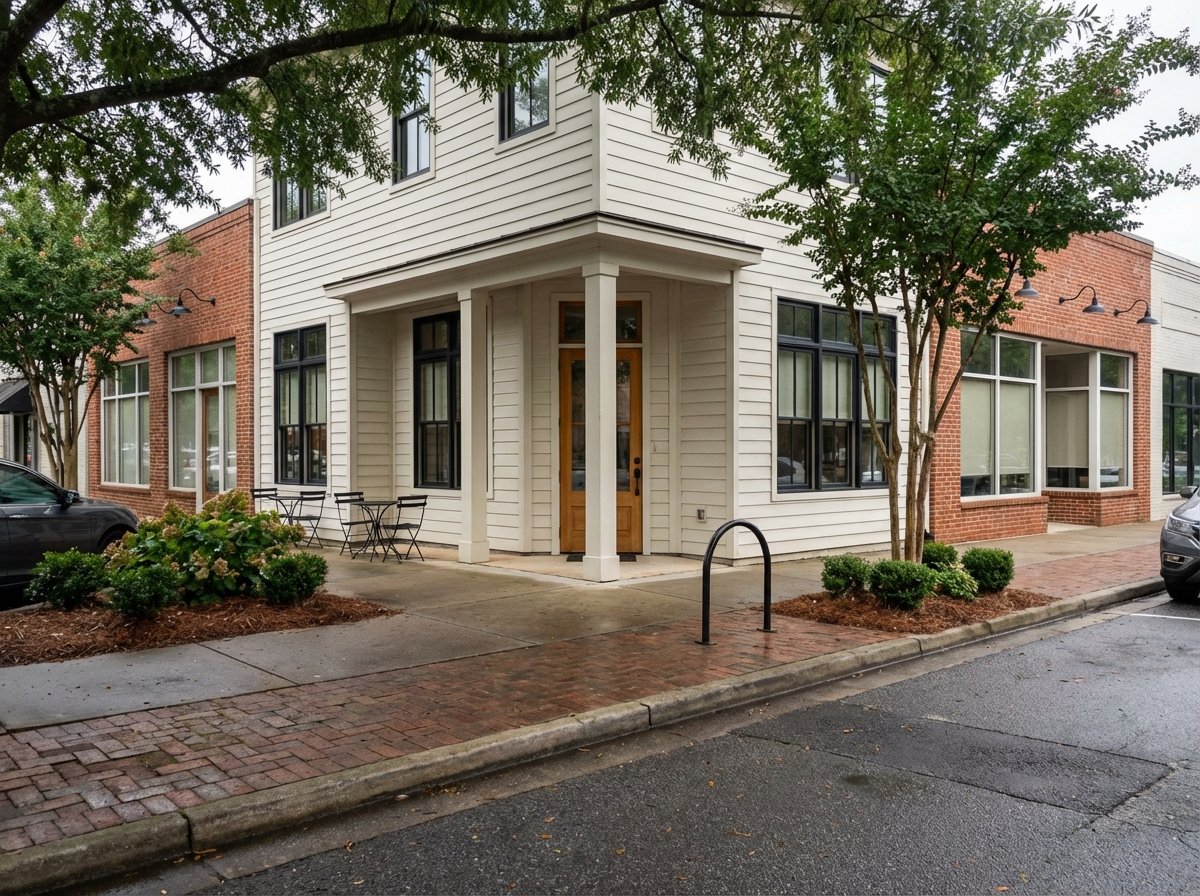
Apex’s heart is its compact, pedestrian‑friendly downtown along Salem Street. The area includes the Apex Historic District, a collection of restored buildings that create the town’s classic main‑street look and feel. The district is listed on the National Register, and the landmark train depot anchors the streetscape. For background on the historic fabric, see the Apex Historic District listing.
In the core, you can grab coffee, browse boutiques, and meet friends for dinner all within a few blocks. Regional visitor guides highlight Salem Street as a go‑to spot for strolling and casual dining. If you enjoy local arts and performances, the Halle Cultural Arts Center hosts exhibits, classes, and community events in a restored historic building. For a quick overview of things to do, explore Visit Raleigh’s Apex page.
Apex invests in parks and trails that connect neighborhoods to everyday nature. The town maintains 13+ miles of greenway today, with paths and connectors that make it easy to walk, run, or bike without getting in the car. You’ll find destinations like Apex Community Park, Apex Nature Park, and various greenway spurs that thread through town. Check routes and updates on the town’s Greenways page.
Looking for weekend adventures on the water? Jordan Lake State Recreation Area is typically a 20 to 35 minute drive from Apex depending on your starting point and chosen access. Boating, swimming, camping, and birding are all popular there. Plan a day or overnight using the Jordan Lake State Recreation Area website.
Apex’s calendar features recurring events that bring people together season after season. PeakFest, the town’s long‑running spring street festival, draws very large crowds to downtown with arts, vendors, and live entertainment. If you want to feel the town’s energy, put it on your list and review tips on the PeakFest guide. You’ll also find farmers markets and seasonal programs that create routine, close‑to‑home fun.
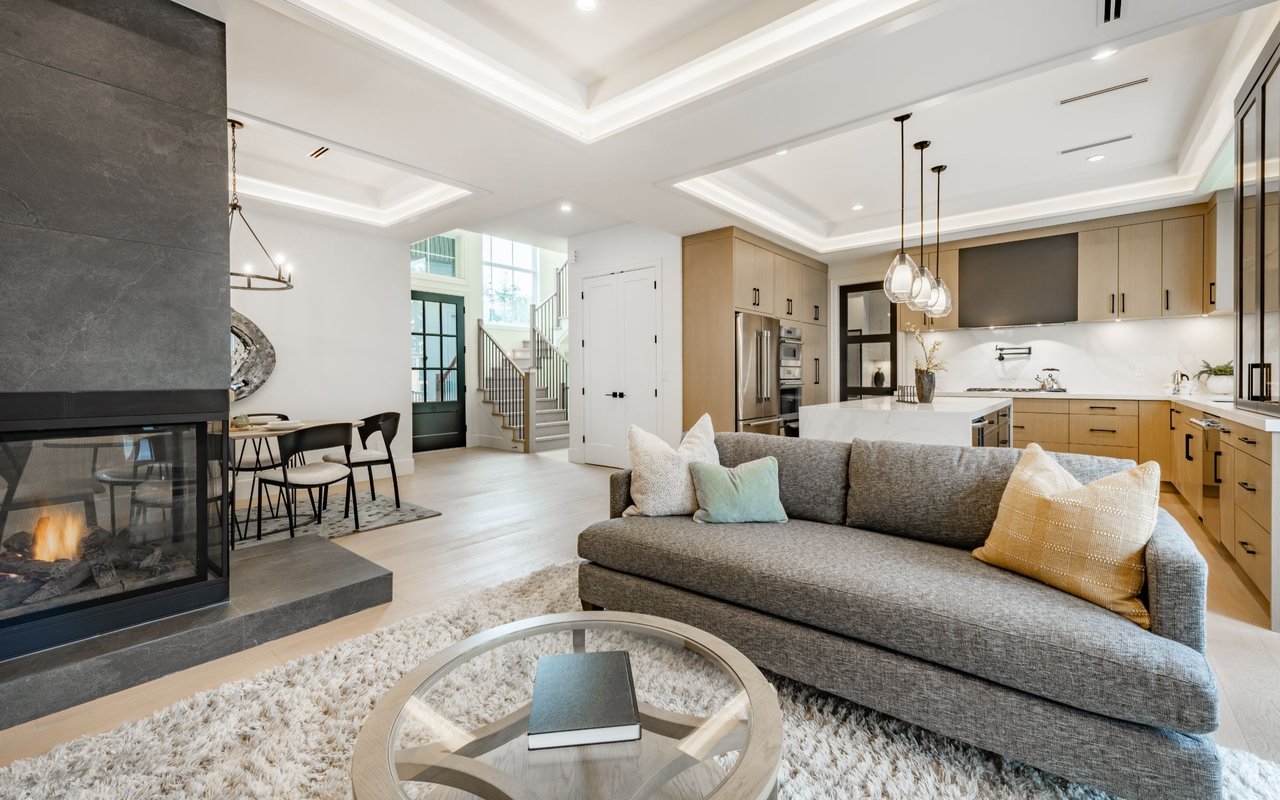
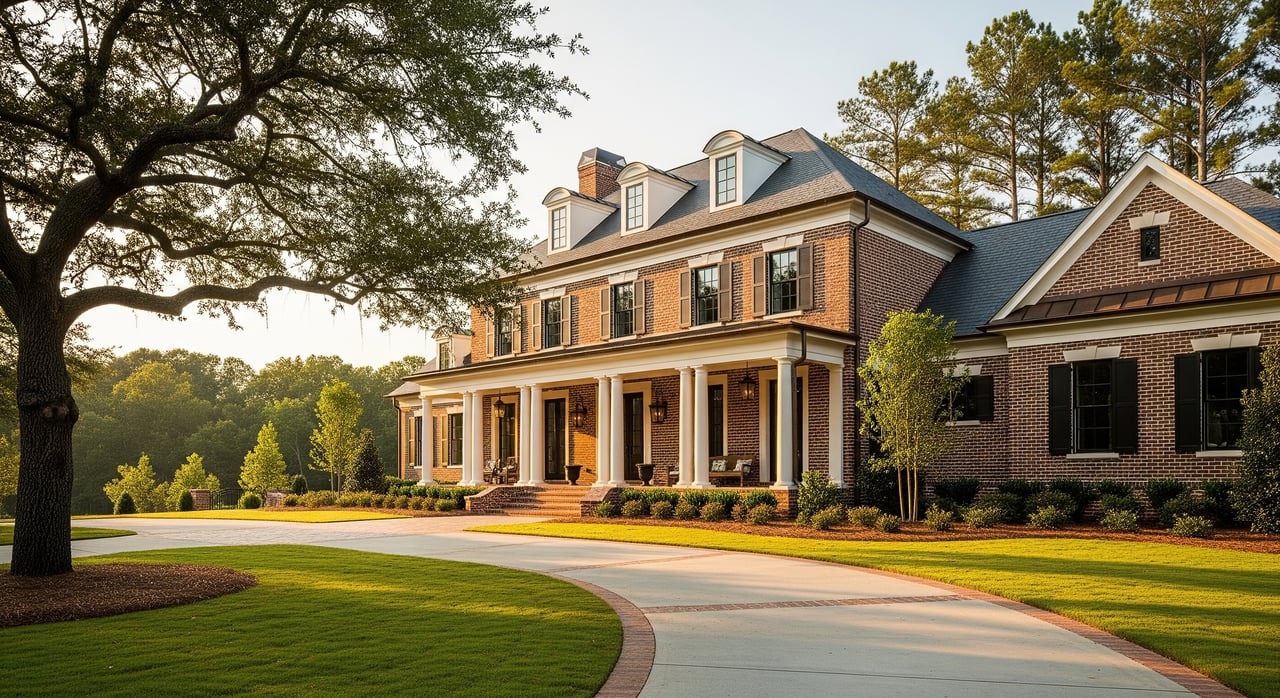
Apex offers a range of options, from older cottages near downtown to suburban single‑family homes, townhomes, and newer master‑planned communities. Many newer neighborhoods include sidewalks and community amenities, which adds to daily convenience. Infill and new construction continue as the town grows, so you’ll see fresh floor plans and updated finishes across price points. The historic core’s compact lots contrast with larger subdivision lots on the edges, giving you choices in both setting and maintenance level. For historical context on the town’s built environment around downtown, see the Apex Historic District.
For a longer‑term baseline, the Census ACS shows a median value of owner‑occupied housing at $514,800 (2019–2023) for Apex. Real‑time market indicators, such as Zillow’s ZHVI, placed the observed typical home value near $588,700 as of late January 2026. Local listing portals often show median listing prices in the high‑$500Ks to low‑$600Ks, though exact figures change month to month. Use the ACS trend on Census QuickFacts for baseline context, and pair that with current on‑the‑ground guidance before you make decisions.
A quick tip as you shop: many newer communities have homeowners associations. Always review HOA rules, fees, and amenities to make sure they align with your lifestyle and budget.
Apex sits in a sweet spot for getting around the Triangle. Major routes include NC‑55, US‑64, and NC‑540, the Triangle Expressway. The town’s transportation planning, outlined in Advance Apex, highlights roadway improvements along with bike and pedestrian projects that shape future connectivity.
If you commute to Research Triangle Park, you’re within practical driving distance, and commute times vary with traffic patterns. RTP is the region’s major employment hub for science and tech, and you can read more about its role on the Research Triangle Park site. For air travel, Raleigh‑Durham International Airport is typically a 20 to 35 minute drive from many Apex addresses, depending on time and route; review general travel guidance on this RDU airport resource.
Apex is served by the Wake County Public School System. School assignments can change with new development and boundary updates, so it is important to confirm current details with district resources. The town maintains a helpful overview and links on its Schools page.
For healthcare, Apex has urgent care and outpatient clinics plus a full WakeMed facility. The WakeMed Apex Healthplex offers a 24/7 emergency department that serves western Wake County. Regional hospitals in Cary and Raleigh provide additional specialty services.
Daily errands are simple. You’ll find groceries, pharmacies, and services along key corridors like NC‑55 and around Beaver Creek Commons and Apex Peakway. To get a feel for development patterns and facilities, browse the town’s Maps and Plans hub.
Ready to talk neighborhoods, timing, and presentation if you decide to sell? For thoughtful, design‑forward guidance tailored to your goals, connect with Donna Mechura.
Stay up to date on the latest real estate trends.
I am committed to guiding you every step of the way—whether you're buying a home, selling a property, or securing a mortgage. Whatever your needs, I've got you covered.