
Reading the Apex NC Housing Market Like a Local
January 1, 2026
January 1, 2026
Trying to make sense of the Apex housing market? You’re not alone. With new construction, fast-moving townhomes, and different dynamics by price, Apex can feel like several micro-markets in one. In this guide, you’ll learn the key metrics that matter, how seasonality affects Apex, and a simple score you can use to decide whether buyers or sellers have the edge right now. Let’s dive in.
Apex sits within the Research Triangle’s growth corridor, so you see steady demand tied to tech, healthcare, and university jobs. Mortgage rate shifts can move activity up or down quickly because many buyers are payment-focused. That sensitivity means short-term changes can feel sharper here than in more rural areas.
New construction has a real footprint across Apex and nearby Wake County. Builders release homes in phases, which can lift the number of active listings without signaling a weaker market. Always look at new construction and resale separately when you interpret inventory, days on market, or price trends.
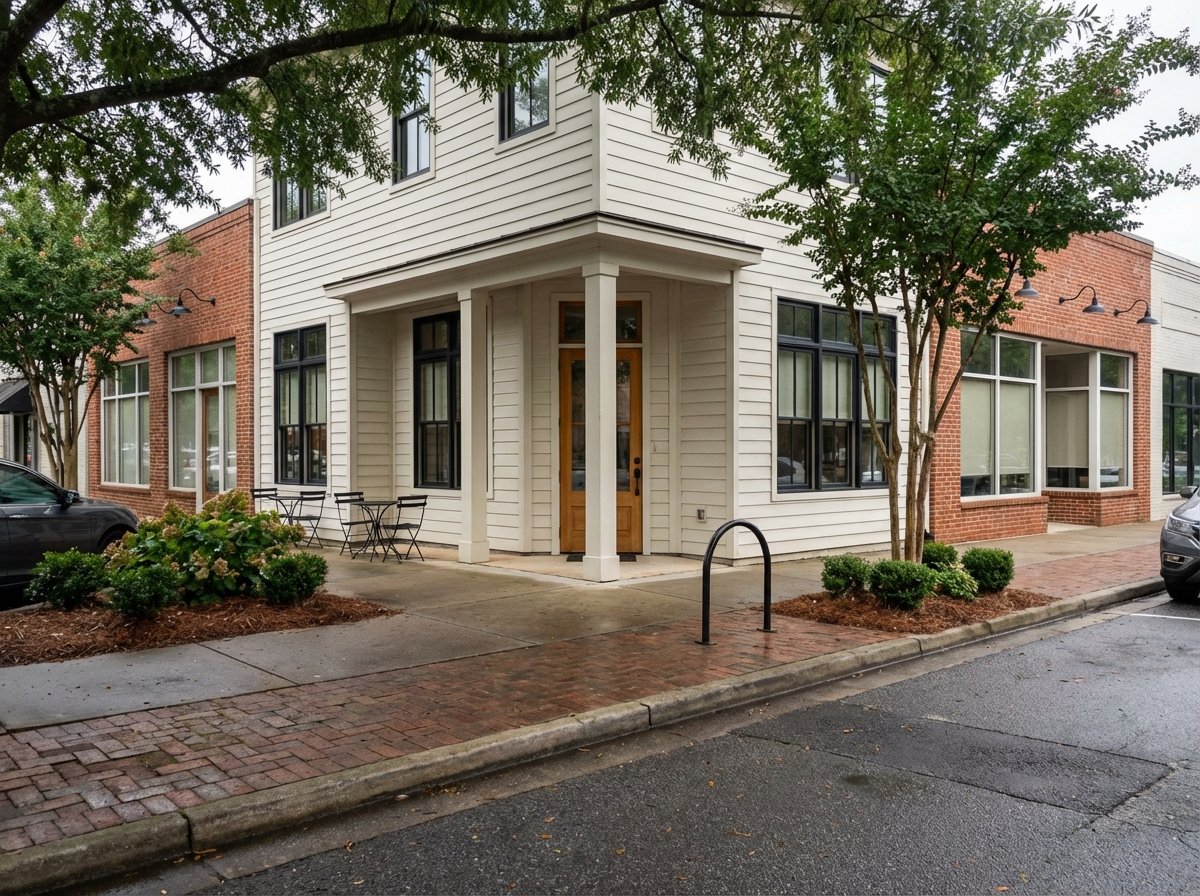
Micro-location matters. Historic Downtown Apex, newer master-planned neighborhoods near the Peakway, townhome clusters near job centers, and semi-rural properties outside the core each behave differently. School assignments and commute times influence demand, so compare like-with-like when judging how “hot” a slice of the market is. Keep your view narrow: neighborhood, property type, and price band.
Months of supply tells you how long it would take to sell all current active listings at the recent sales pace. You calculate it as active listings divided by average monthly closed sales. For example, 300 active listings and 75 monthly closings equals 4.0 months of supply.
Interpretation is straightforward:
In Apex, read MOS at the neighborhood and price-band level. Entry-level townhomes may show tight supply even when larger single-family homes sit longer. New communities can lift town-wide MOS while certain in-demand pockets stay competitive.
DOM tracks how long it takes a listing to go under contract. Use median days to contract where possible. As a rule of thumb:
In Apex, smaller downtown cottages and entry-level townhomes often move faster than larger homes farther from major corridors. Watch DOM by price band, since a single town-wide median can mask pockets of quick action.
This ratio shows what portion of list price sellers actually receive. There are two useful versions: sale price divided by the original list price, and sale price divided by the final list price after any reductions.
Use these guideposts:
In Apex, builder incentives can affect this metric for new construction, so compare resale-to-resale and builder-to-builder rather than mixing the two.
Momentum shows up in the mix of fresh listings and accepted offers. Track the last 30 days of new listings and pendings, then compute a quick pending ratio: pendings divided by new listings. As a reference:
This short-term check helps you see turns sooner than months of supply alone.
A few pricing reads add context:
Use these with the other indicators to confirm the trend rather than as stand-alone signals.
Apex follows a predictable seasonal rhythm. Use these patterns to avoid misreading normal slowdowns or spikes.
To get a clean read, compare any given month to the same month last year and use 3- or 12-month rolling averages for MOS and DOM. Builders do releases in phases, often in spring and summer, so read new construction seasonality on its own track.
Use this quick framework to judge whether conditions favor buyers or sellers in your specific slice of Apex.
Define your market clearly:
Use the last 30 to 90 days and compare to a 12-month view:
Assign one point to each indicator:
Then add them up:
Adjust by one point where appropriate:
Based on your score, align your plan:
Apex behaves differently by product and price. Compare within these common segments:
Use price bands that fit your target area, such as under 400,000 dollars, 400,000 to 700,000 dollars, 700,000 to 1 million dollars, and over 1 million dollars. Then review MOS, DOM, and list-to-sale ratios for each band to see where demand is tightest.
The Triangle MLS offers neighborhood-level statistics for days on market, list-to-sale ratios, pendings, and closings. Town of Apex planning and zoning updates, plus Wake County permit and assessor data, add context about what is being built and where. For regional supply signals, the US Census Building Permits Survey helps show trends in new homes pipeline.
Keep your method consistent:
In every market type, presentation influences your net proceeds. Curated staging, professional photography, and clear story-driven marketing help buyers see value quickly and reduce time on market. This matters even more in balanced or buyer-leaning conditions where your home must rise above the noise.
You also want a plan for terms, not just price. In seller-leaning conditions, strong communication, thoughtful showing schedules, and a process for reviewing multiple offers can protect your timeline and reduce stress. In buyer-leaning markets, experienced negotiation and inspection strategy can capture concessions without jeopardizing the deal.
If you are relocating or right-sizing, a concierge approach streamlines decisions. From pre-list design touches to virtual tours and move coordination, a well-orchestrated process keeps your goals front and center.
If you want a clear, neighborhood-level snapshot with a pricing and staging plan you can act on, let’s talk. You will get an easy read on months of supply, days on market, and list-to-sale ratios for your exact price band, plus practical next steps for timing, presentation, and negotiation. Connect with Donna Mechura to schedule a consultation.
Stay up to date on the latest real estate trends.

I am committed to guiding you every step of the way—whether you're buying a home, selling a property, or securing a mortgage. Whatever your needs, I've got you covered.