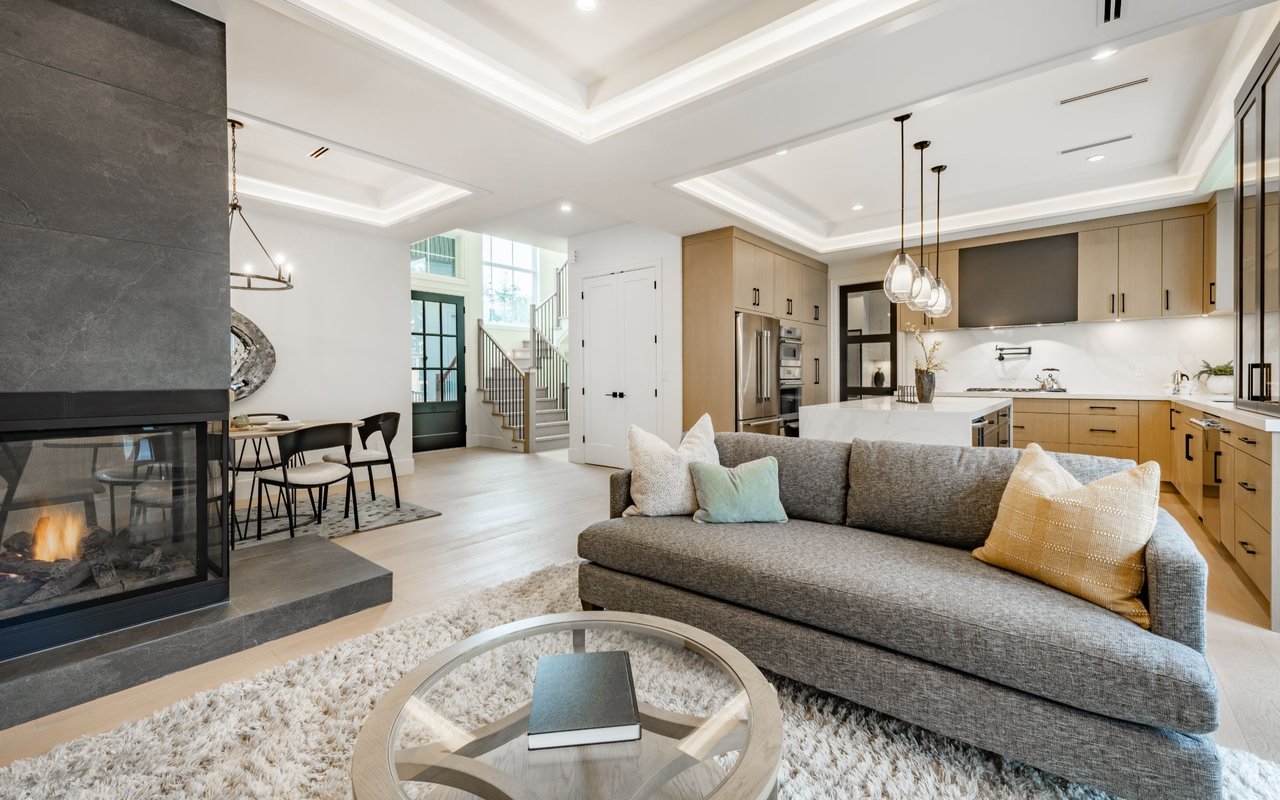
Your Step-by-Step Home Buying Process in Raleigh NC
November 21, 2025
November 21, 2025
Buying a home in Raleigh can feel exciting and a little overwhelming. You want a clear plan, local insight, and plain-English guidance on North Carolina’s unique steps. In this guide, you’ll learn exactly what happens from pre-approval to closing, what “due diligence” really means in NC, and how to make a strong offer in Wake County. Let’s dive in.
Getting pre-approved shows sellers you are serious and tells you what you can comfortably afford. Your lender will review your photo ID, pay stubs, bank statements, and tax returns, and will pull credit with your permission. Most pre-approvals take 1 to 7 days, depending on how quickly you provide documents. You will receive a pre-approval letter, which is not final loan approval but is essential for making offers.
Your agent is your guide to Raleigh neighborhoods, the offer process, and closing. In North Carolina, most buyers sign an Exclusive Buyer Agency Agreement that outlines duties and compensation. Commission is often shown in the MLS and commonly paid by the seller through the listing broker, but you should always confirm how your agreement handles compensation. A skilled agent coordinates showings, drafts your offer, negotiates terms, and tracks every deadline.
Focus your search on what matters to your lifestyle. Many Raleigh buyers consider commute times to downtown and RTP, neighborhood HOA rules, property age and maintenance, and whether a home sits in a flood zone. School assignment areas in Wake County can also be an important factor to review. You can tour in person or virtually, and a design-forward eye can help you spot move-in-ready features and smart updates.
Your agent will use the standard North Carolina Offer to Purchase and Contract to structure your terms. You will choose your price, due diligence fee, earnest money, due diligence period, closing date, and what items convey. You can also plan for inspections and discuss repair credits. In multiple-offer situations, a clean, well-timed offer can stand out.
In North Carolina, two deposits often appear in your offer: the due diligence fee and earnest money.
Example: You offer a $2,500 due diligence fee and $5,000 earnest money. If you terminate during due diligence, you usually get the $5,000 back, and the seller keeps $2,500. If you default after due diligence ends, the seller may be entitled to your $5,000 earnest money, and you also do not recover your due diligence fee.
Use the due diligence period to fully evaluate the home. Common inspections include a general home inspection, termite and wood-destroying organism check, HVAC evaluation, and radon testing. If the home has a septic system or is not on municipal sewer, consider a septic or sewer scope inspection. You can request repairs, ask for credits, renegotiate price, or terminate within the due diligence period as the contract allows.
If you are financing, your lender orders an appraisal and the underwriter reviews your file. This stage often takes 2 to 4 weeks. If the appraisal is lower than the purchase price, you and the seller can renegotiate, you can bring additional cash, or you can explore other lender options if available. Your ability to terminate for financing or appraisal issues depends on your contract terms and timing.
In North Carolina, closings are typically handled by a closing attorney or law firm. The attorney performs a title search, prepares settlement documents, and records your deed and mortgage with the Wake County Register of Deeds. Your lender will require lender’s title insurance, and you can choose owner’s title insurance to protect your ownership. On closing day, you sign documents, pay your down payment and closing costs, and receive keys once the deed is recorded.
When closing is complete, the attorney records the deed and mortgage. Make sure your homeowner’s insurance is effective at closing, transfer utilities, set up mail forwarding, and update your address with employers and financial institutions. You can also review Wake County property tax records to confirm details after recording.
Every purchase is unique, but these ranges are common in Raleigh:
Sellers notice both price and terms. Here are levers you can adjust:
Stronger terms can help you win, but they can also increase risk. Shorter due diligence, larger fees, or limited contingencies reduce your ability to exit later. Work with your agent and lender to balance competitiveness with protection.
Have these ready to streamline your purchase:
Real estate wire fraud is common. Always confirm wiring instructions directly with your closing attorney or lender using a phone number you verify independently. Avoid sending bank information by regular email. If anything looks unusual, pause and call before you act.
As you plan, expect to see a closing attorney involved, a due diligence period in your contract, and recording at the Wake County Register of Deeds. Property taxes are typically prorated at closing based on local billing schedules. For details on agency rules and forms, closing practices, recording and tax questions, or consumer loan education, consult the North Carolina Real Estate Commission, the North Carolina Bar Association, the Wake County Register of Deeds, the Wake County Tax Administration, and the Consumer Financial Protection Bureau.
Buying in a competitive market takes a steady plan and clear guidance. With design-forward insight and attentive communication, you can move from first tour to keys with confidence. If you are ready to map your next steps, connect with Donna Mechura to Schedule a Consultation.
Stay up to date on the latest real estate trends.


I am committed to guiding you every step of the way—whether you're buying a home, selling a property, or securing a mortgage. Whatever your needs, I've got you covered.