Fuquay-Varina New Construction vs Resale: How to Choose
March 5, 2026
March 5, 2026
Choosing between a brand-new build and a lived-in resale can feel like two very different paths to the same dream. You want a home that fits your timeline, your budget, and your lifestyle in Fuquay-Varina. In today’s market, where prices hover in the low-to-mid $400,000s and inventory is more balanced than in 2021–2022, you have real options and real leverage. This guide breaks down the tradeoffs, timelines, costs, and local checks so you can move forward with confidence. Let’s dive in.
Prices in Fuquay-Varina trend in the low-to-mid $400,000s, with more active listings and longer days on market than the peak seller years. That gives you more choice across both new construction and resale. Builders are also offering more quick-move-in homes and periodic incentives, which can reduce upfront costs if you compare them carefully. Availability and pricing still vary by neighborhood and price tier, so plan to review current MLS data and builder release schedules before you decide.
If timing is your top priority, start by lining up the likely move-in window.
Bottom line: if you must align a lease end or school-year start, a resale or a completed new home is usually the safest route. If you can flex and want to personalize finishes, a to-be-built plan can work with the right buffers.
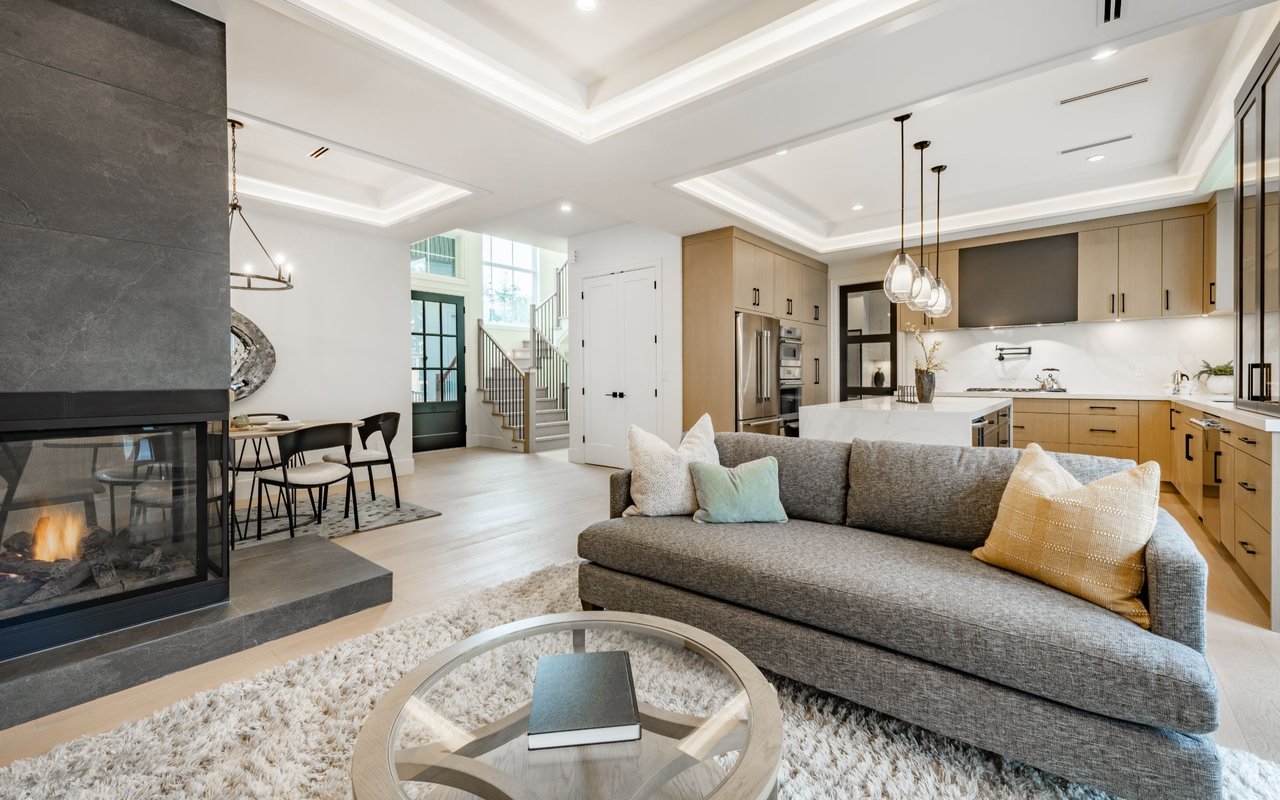
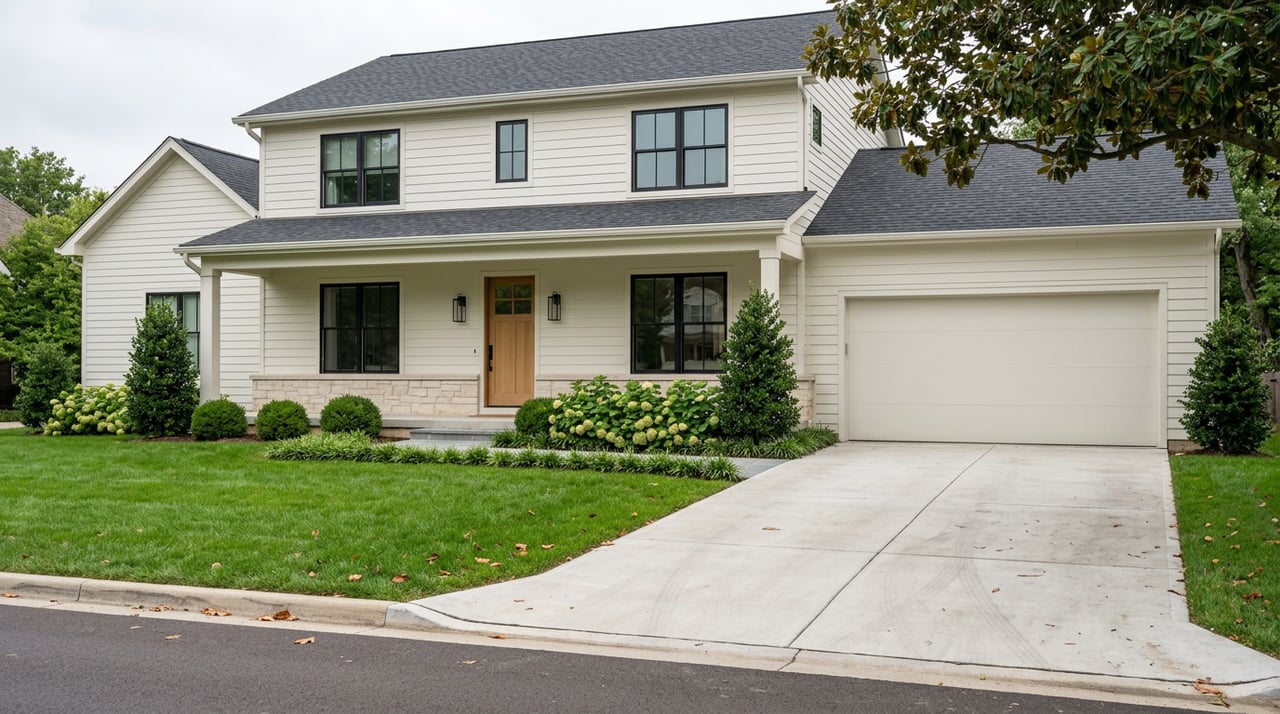
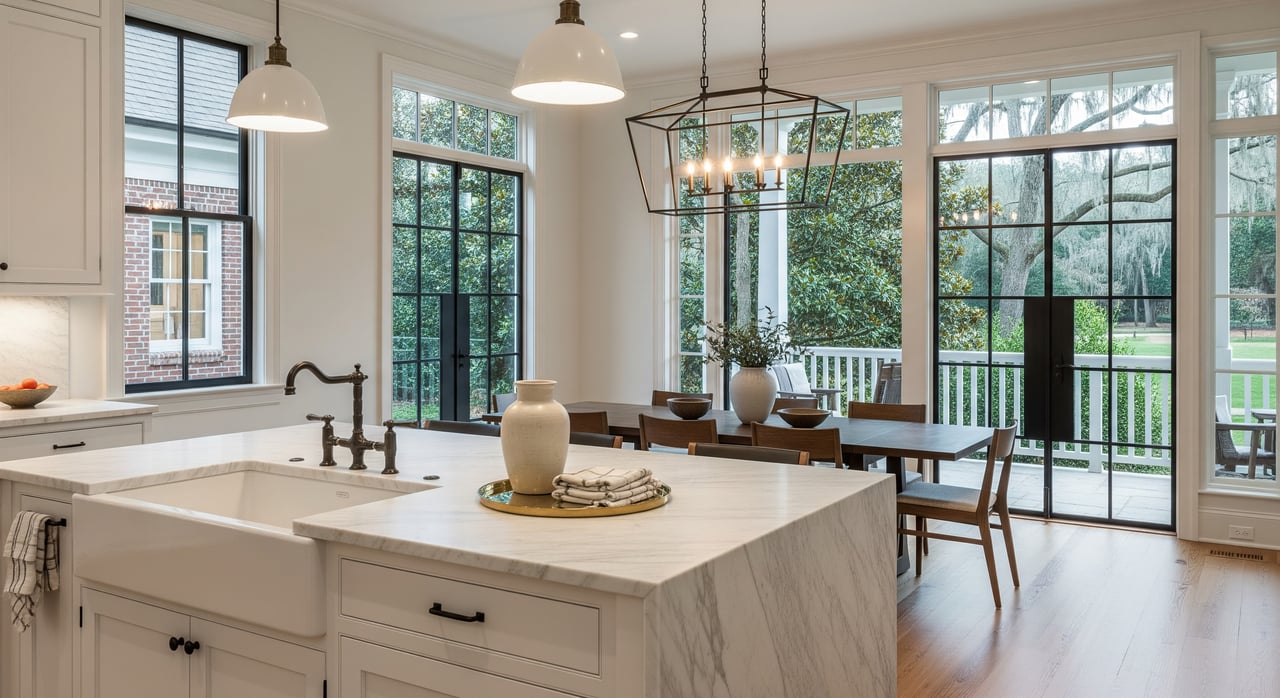
New homes in Fuquay-Varina tend to feature open layouts, modern kitchens, energy-efficient windows and HVAC, and up-to-date insulation that helps with comfort and utility costs. Builders often include a structural and workmanship warranty, plus manufacturer coverage on systems and appliances. You will see these features highlighted by local builders, including the Serenity master plan by David Weekley Homes. Explore examples of standard features on David Weekley’s Serenity page.
Resale homes can offer mature landscaping, varied architecture and lot sizes, and opportunities to negotiate on price or repairs. You might also find established streetscapes and finished community amenities. The tradeoff is potential maintenance, from roof age to HVAC life, which you can evaluate during inspections and with seller-provided records.
Even when everything is brand new, independent inspections are smart. The American Society of Home Inspectors recommends inspections for both resale and new construction. A typical new-build cadence includes a pre-drywall inspection to review framing, wiring, plumbing lines, and ductwork, then a final inspection before closing, and an 11-month inspection to capture warranty items before coverage expires. See why pros recommend this approach in ASHI’s guidance on new-home inspections.
During your builder walkthrough, create a detailed punch list for cosmetic and functional items. Confirm in writing how and when the builder will address each item, and keep copies of all reports and communications.
Most builders provide a version of the 1-2-10 warranty model. That typically means 1 year for workmanship, 2 years for distribution systems like plumbing and electrical, and 10 years for major structural components. Coverage terms and claims processes vary, so read the documents closely and ask about transferability if you plan to move within a few years. Here is a plain-language overview of the common 1-2-10 builder warranty structure.
In 2024–2025, many builders offered closing-cost help, upgrade credits, and mortgage rate buydowns to move inventory, a trend that continued into 2025 in many markets. Incentives can be valuable, but they often require using the builder’s preferred lender and may be time-limited. Always compare the net cost and long-term payment impact against an independent lender quote. Read more about recent builder incentive trends.
If you buy a to-be-built home, you may use a construction-to-permanent loan or lock a standard mortgage closer to completion for a spec or finished home. Construction loans have different underwriting steps and timing, and longer rate-lock options can carry costs. Before you sign, confirm your lender’s lock period, extension fees, and how they handle appraisal timing on a home that is still under construction. A quick primer on building vs. buying financing can help you frame the conversation.
Lenders underwrite to appraised value. When there are few closed comps in a new phase, or when a lot premium and upgrades push the price beyond nearby sales, an appraisal can come in low. If that happens, you may need to renegotiate, bring additional cash, or request a reconsideration of value. For context on how appraisers approach new homes and completion checks, see Fannie Mae’s appraiser update.
New homes can be very attractive to future buyers thanks to modern layouts and energy-efficient systems. In the short term, if many similar homes are selling nearby, appreciation can be flatter until the community builds out. Established neighborhoods offer finished streetscapes and known utility setups, but systems may be older.
In Fuquay-Varina, two practical checks matter for long-term value: confirm whether the address lies in Wake County or Harnett County, and verify base school assignments through official channels, since some parts of the 27526 ZIP cross county lines. You can also review active and planned development at the Town level to understand the future of roads, utilities, and amenities. The Town outlines the major subdivision process, which is helpful when you want to see how a new phase moves from plan to homes on the ground.
You will find a mix of national and local builders in and around Fuquay-Varina. Active names include Pulte Homes, D.R. Horton, David Weekley Homes, KB Home, Tri Pointe, Meritage, Toll Brothers, Mattamy, and several local custom builders. For a current snapshot of communities by a major builder, browse Pulte neighborhoods in Fuquay-Varina. You can also explore the master-planned Serenity community site and David Weekley’s collection linked earlier to see floor plans and amenities.
As always, verify whether a community is within Wake County or crosses into Harnett County, since taxes and services can differ. Ask each sales center for up-to-date pricing, quick-move-in lists, and any incentives.
Before you commit to a lot, ask whether the plat is recorded, whether amenities are complete or bonded, and what the target certificate of occupancy date is for your specific home. Request copies of the approved site plan and any HOA guidelines that affect exterior design or landscaping. For new phases, it helps to understand the Town’s permit and inspection cadence. The Town’s overview of the major subdivision process is a good reference point for how a subdivision moves from planning to construction.
Also confirm utilities on a lot-by-lot basis. Verify whether the home will be on public water and sewer or well and septic, and check fiber or high-speed internet availability if that is important to you.
Choose new construction if you want a modern plan, energy efficiency, and the peace of mind of a builder warranty, and you can be flexible on move-in timing. Choose resale if you value mature neighborhoods, potentially larger lots, and the ability to move quickly or negotiate repairs and price. In both cases, independent inspections, a careful contract review, and a line-by-line budget comparison will help you buy with confidence.
If you want a design-forward eye to compare builder finish packages with resale upgrades, and a calm, concierge process from search to closing, let’s talk about your next chapter in Fuquay-Varina. Schedule a Consultation with Donna Mechura.
Stay up to date on the latest real estate trends.

I am committed to guiding you every step of the way—whether you're buying a home, selling a property, or securing a mortgage. Whatever your needs, I've got you covered.