Your Guide to Buying a Low-Maintenance Second Home in Wilmington
March 24, 2026
March 24, 2026
Dreaming of a beach‑adjacent retreat you can lock, leave, and love coming back to? If you want the Wilmington lifestyle without constant upkeep, you’re not alone. Many buyers look for condo‑level convenience or HOA‑managed homes that make second‑home ownership simple. In this guide, you’ll learn the best property types for low maintenance, the coastal‑smart features to prioritize, how insurance and flood risk work, and what to know if you plan to rent occasionally in Wilmington. Let’s dive in.
Wilmington blends historic riverfront charm with quick access to beaches and boating. As of February 2026, reports put the city’s median sale price near $443,000, which helps many buyers balance lifestyle and budget. Nationally, demand for second homes cooled after the post‑2020 surge, which can create opportunities for patient buyers. You can see that trend in national reporting that vacation‑home demand reached multi‑year lows in 2023–2024, with effects still visible in 2025–2026 cycles. For context, review this national summary on shifting vacation‑home demand from Redfin’s industry reporting at Redfin’s latest vacation‑home demand update.
Property taxes also matter when you plan to visit part‑time. New Hanover County’s adopted FY2025–26 ad valorem rate is 30.6 cents per $100 of assessed value. Using only the county rate as an example, a home assessed at $450,000 would have an annual county portion of about $1,377. You can confirm details on the New Hanover County FY2025–26 budget and tax rate.
Sea‑level rise and nuisance flooding are a reality along the North Carolina coast, so location and elevation will shape long‑term resilience and maintenance. For background on local trends, explore this regional resource on sea‑level changes affecting Wilmington.
Condos offer the clearest “lock‑and‑leave” lifestyle. Exterior upkeep, landscaping, roofs, common areas, and pools are typically covered by the HOA. You focus on the interior while the association handles most big exterior chores. Review HOA budgets and reserves for a sense of building health.
Townhomes in well‑managed communities can feel like a single‑family home with less yard work. Many HOAs handle lawn care and common‑area maintenance. Always verify what the HOA covers and whether rentals, including short‑term rentals, are allowed.
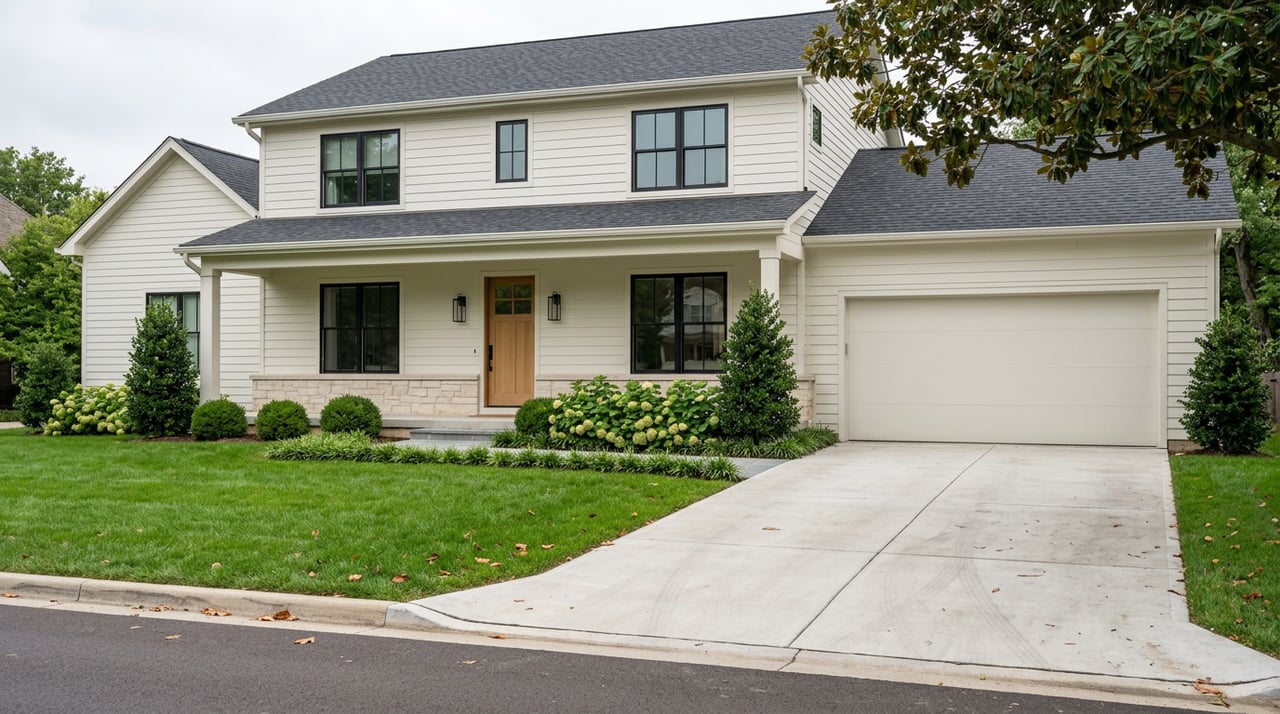
A detached home can still be low maintenance when the community provides lawn care or exterior services. Ask about landscaping, roof and exterior washing schedules, and any dock or amenity upkeep. Without those services, expect more hands‑on work between visits.
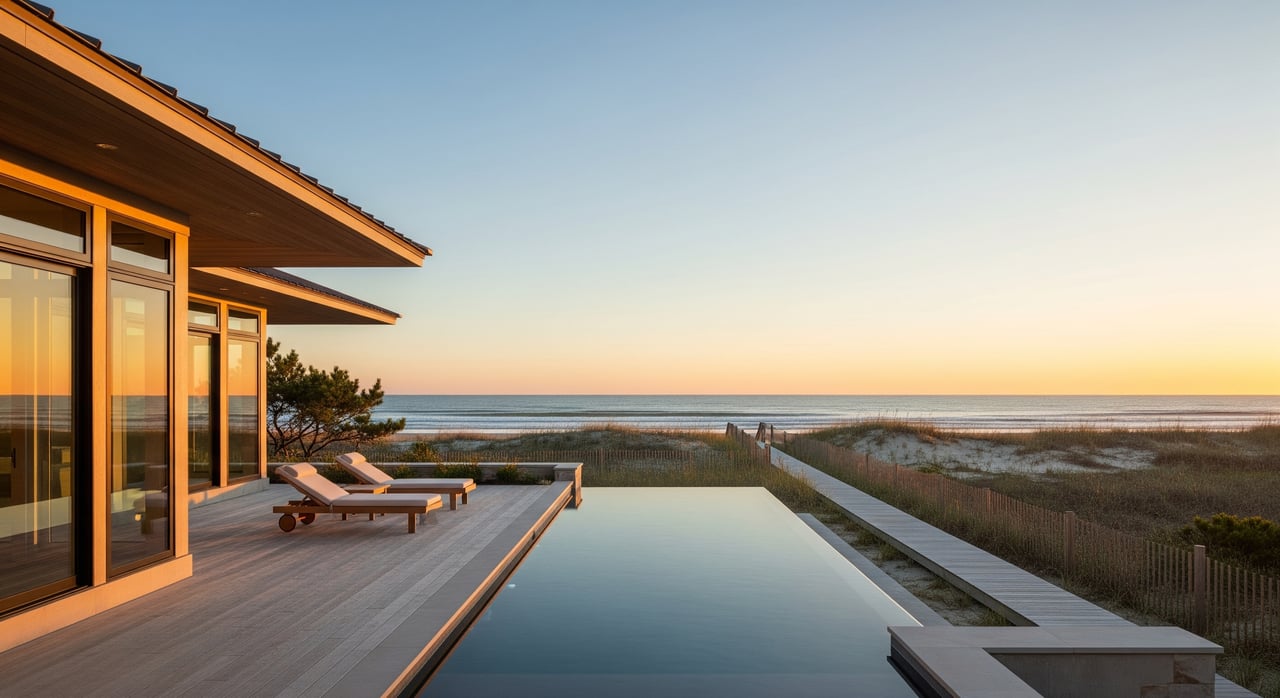
Near‑water homes can be simple to lock and leave when designed with durable, coastal‑ready materials and minimal landscaping. Proximity to salt air and storm exposure increases maintenance needs and insurance considerations, so review elevation, exterior materials, and mitigation features carefully.
The right materials and systems save you time and money over the long run. Look for:
If a property sits in a FEMA Special Flood Hazard Area and you use a federally regulated mortgage, flood insurance is typically required. Even outside mapped flood zones, coastal rainfall and drainage can cause damage, so many second‑home owners still choose coverage. You can confirm a property’s FEMA flood zone and panel by using the FEMA Flood Map Service Center.
Homeowners and wind coverage can be more complex along the coast. North Carolina’s coastal residual market, the North Carolina Insurance Underwriting Association, supports areas where private options are limited. Learn how the Beach Plan works and where it applies at the NCIUA consumer site. Premiums and deductibles can vary widely. Before you offer, get quotes from multiple coastal‑market insurers, ask about mitigation discounts for stronger roofs and elevated systems, and verify whether the address is in Beach Plan territory.
If you intend to rent your Wilmington home on a short‑term basis, the City adopted a Short‑Term Residential Rental ordinance in late 2024 that sets clear operational standards. Key highlights include:
You can read the details in the City’s ordinance here: Wilmington Short‑Term Residential Rental regulations.
Owners also need to handle taxes correctly. In addition to the city’s 2 percent lodging tax, Wilmington properties are subject to state lodging or sales tax and the county’s room‑occupancy tax. Local reporting has historically cited a 6 percent county ROT, and collection rules can differ by district. See context in this local article on tourism tax funding: New Hanover occupancy tax overview. Always verify current requirements with the City Department of Finance and the NC Department of Revenue.
State law shapes what cities can and cannot require. Courts have allowed many development and operational standards, such as parking, safety, insurance, and occupancy, while limiting some registration schemes. For background, review this UNC School of Government explainer on short‑term rental regulation after Schroeder. Rules can evolve, so confirm details before you list your property.
Because Wilmington requires a local operator who can respond quickly, most long‑distance owners use a property manager or a trusted local contact. Ask about response times, vendor networks, inspection protocols, and a written seasonal shut‑down and start‑up plan. Confirm the manager can support the ordinance’s posting, noise abatement, and safety requirements.
Smart‑home tools make a difference between visits. Install smart locks with unique guest codes, a monitored alarm, moisture sensors, and automatic water shutoff. Use a programmable thermostat and camera at the entry, and schedule periodic HVAC circulation to reduce humidity.
Coastal homes live hard. Plan for more frequent exterior washing, paint or stain cycles on wood elements, deck hardware checks, and corrosion control for outdoor lighting and railings. Keep a reserve for storm‑related repairs and higher wind or named‑storm deductibles. A little prevention during shoulder seasons often saves money before peak summer.
Define the goal. Decide if this is a personal retreat, an occasional rental, or a full short‑term rental. Your answer drives location, product type, and budget.
Prioritize truly low‑maintenance options. Start with condos or townhomes in well‑run HOAs, or single‑family homes in communities where exterior services are included. Review HOA covenants for rental rules and services covered.
Check flood exposure early. Use the FEMA Flood Map Service Center for a quick zone read, then request an Elevation Certificate and ask your agent for both NFIP and private flood quotes if applicable.
Get insurance quotes before you offer. Price homeowners, wind, and flood coverage for the exact address. Ask about mitigation discounts and whether the property falls under the NCIUA Beach Plan.
Confirm STR eligibility and obligations. If you plan to rent, read the City’s STR ordinance, check HOA rules, and map out taxes and remittance timelines.
Line up local support. Interview at least two property managers. Ask about operator services, emergency response time, guest screening, and maintenance plans.
Budget with a coastal cushion. Add line items for exterior washing, deck and hardware upkeep, roof checks, and a contingency for storm repairs and higher deductibles.
Close with a maintenance and tech plan. Before you take the keys, schedule baseline service visits, set up smart devices, and create a seasonal checklist.
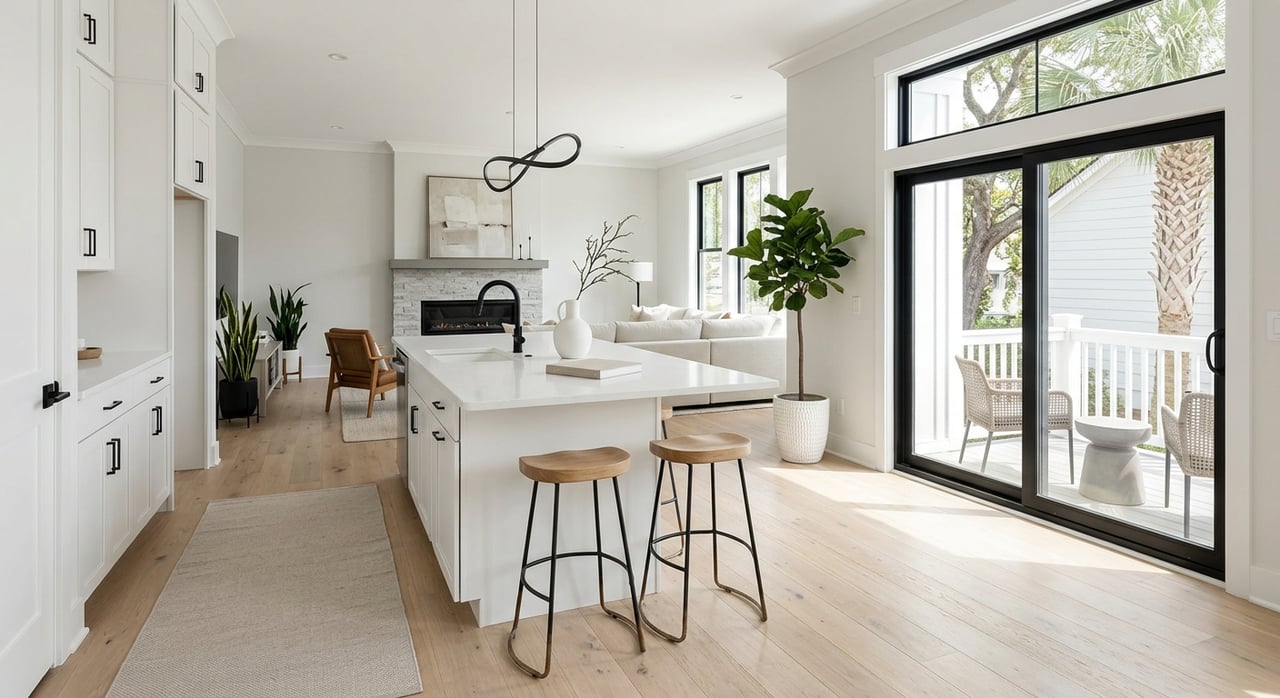
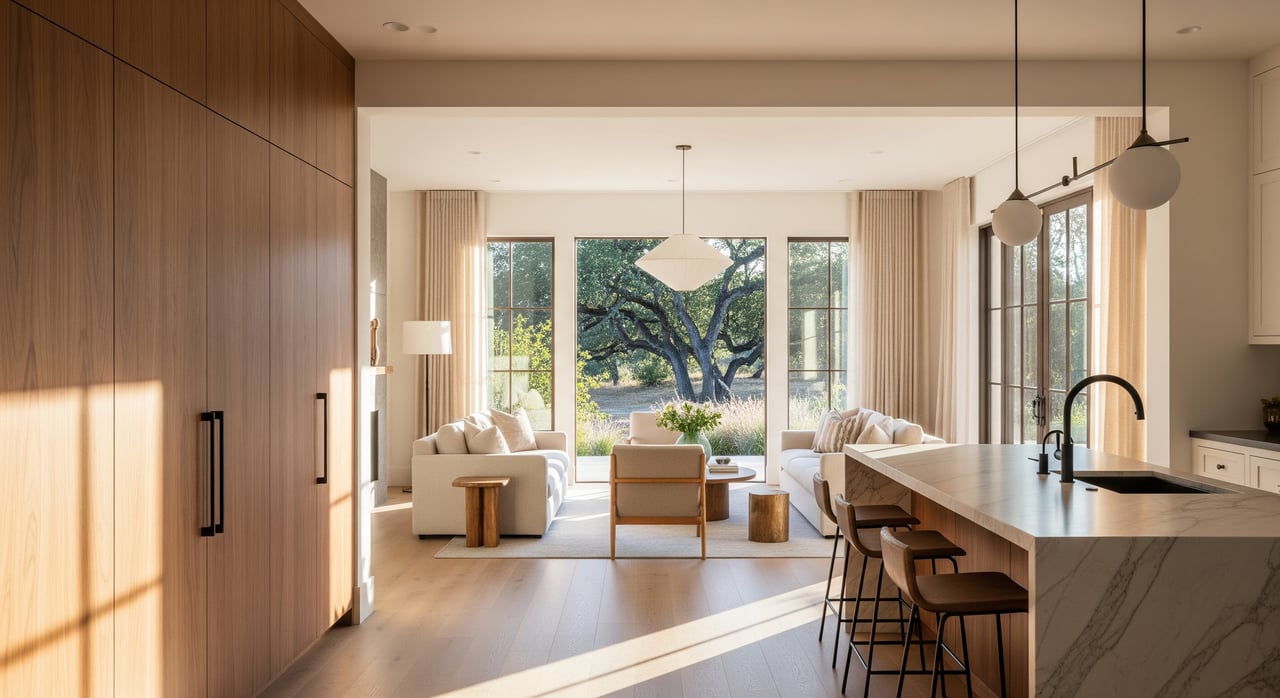
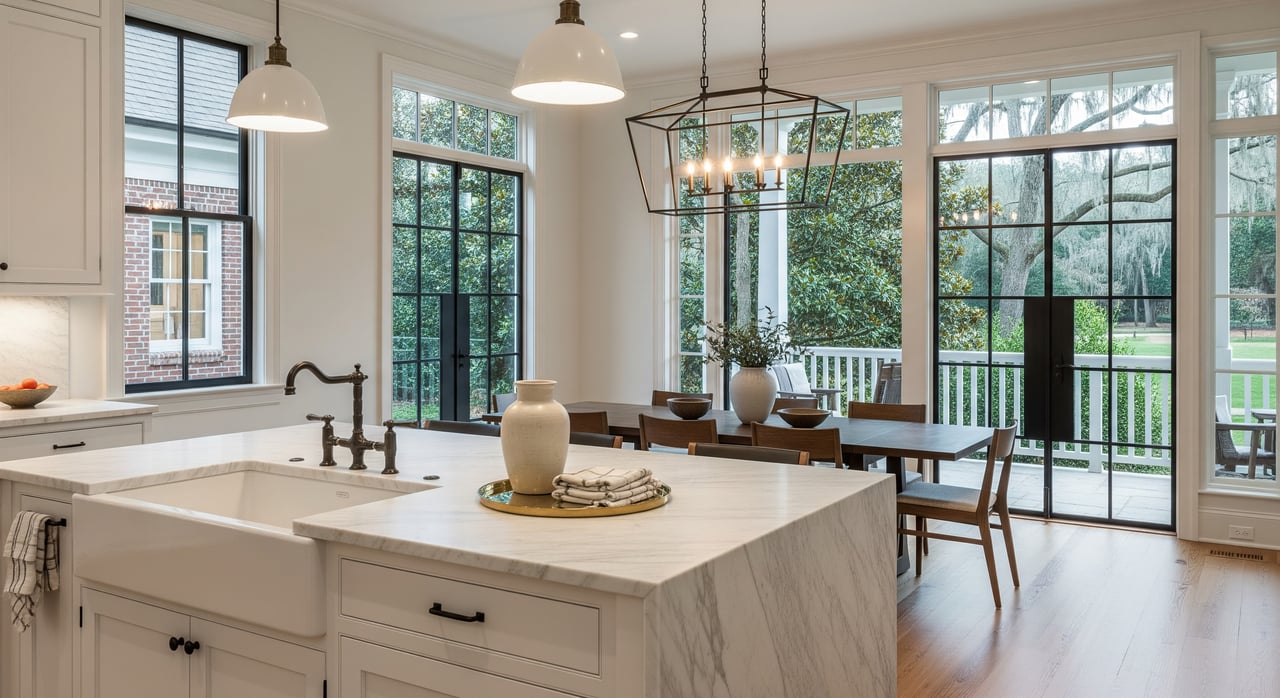
A simple, resilient interior keeps second‑home life easy and guest‑ready.
If you want a second home you can enjoy without constant chores, the right property and plan make all the difference. I help buyers weigh HOA coverage, flood and insurance factors, and design choices so your place feels turnkey from day one. When you are ready, schedule a friendly, no‑pressure consultation with Donna Mechura to start your Wilmington plan.
Stay up to date on the latest real estate trends.

I am committed to guiding you every step of the way—whether you're buying a home, selling a property, or securing a mortgage. Whatever your needs, I've got you covered.