Relocating To Charlotte From The Mid-Atlantic: A Gentle Guide
June 25, 2026
June 25, 2026
Thinking about leaving the Mid-Atlantic for Charlotte? You are not alone, and you are probably weighing more than just a change of address. You may be wondering how Mecklenburg County housing compares, what daily life feels like, and how to make the move without unnecessary stress. This gentle guide will help you sort through the big-picture differences, practical planning steps, and local details that matter most before you pack a box. Let’s dive in.
Mecklenburg County continues to attract new residents at a fast pace. Census estimates put the county population at 1,233,383 in July 2025, which is up 10.6% from April 2020. That kind of growth helps explain why so many buyers are looking closely at Charlotte and why some homes can move quickly.
Growth also shapes the housing landscape you will see during your search. The county issued 11,969 building permits in 2024, which points to ongoing development and a steady flow of newer housing options. At the same time, Charlotte still offers older homes with established character, so you are not limited to one style of living.
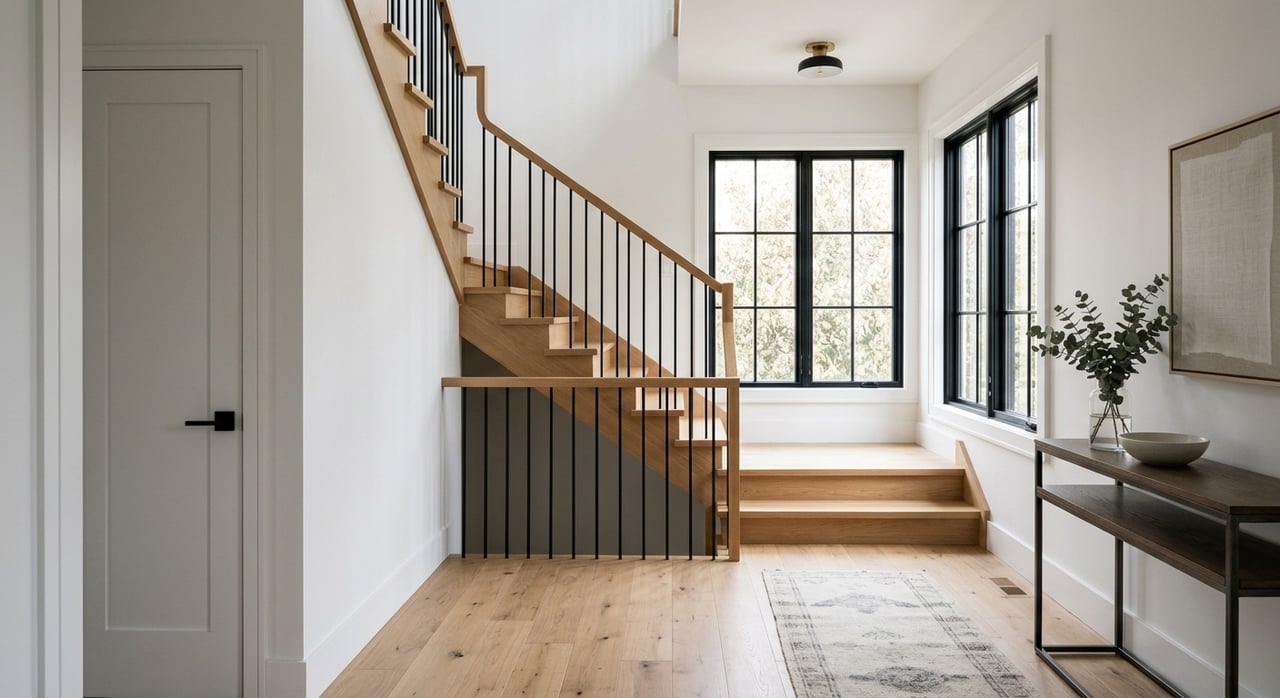
If you are coming from Pennsylvania or Maryland, one of the first things you may notice is the mix of home styles. Charlotte’s older housing stock includes Colonial Revival, Cape Cod, English Cottage, American Small House, and Ranch House forms. Mecklenburg County also highlights a local tradition of Craftsman bungalows.
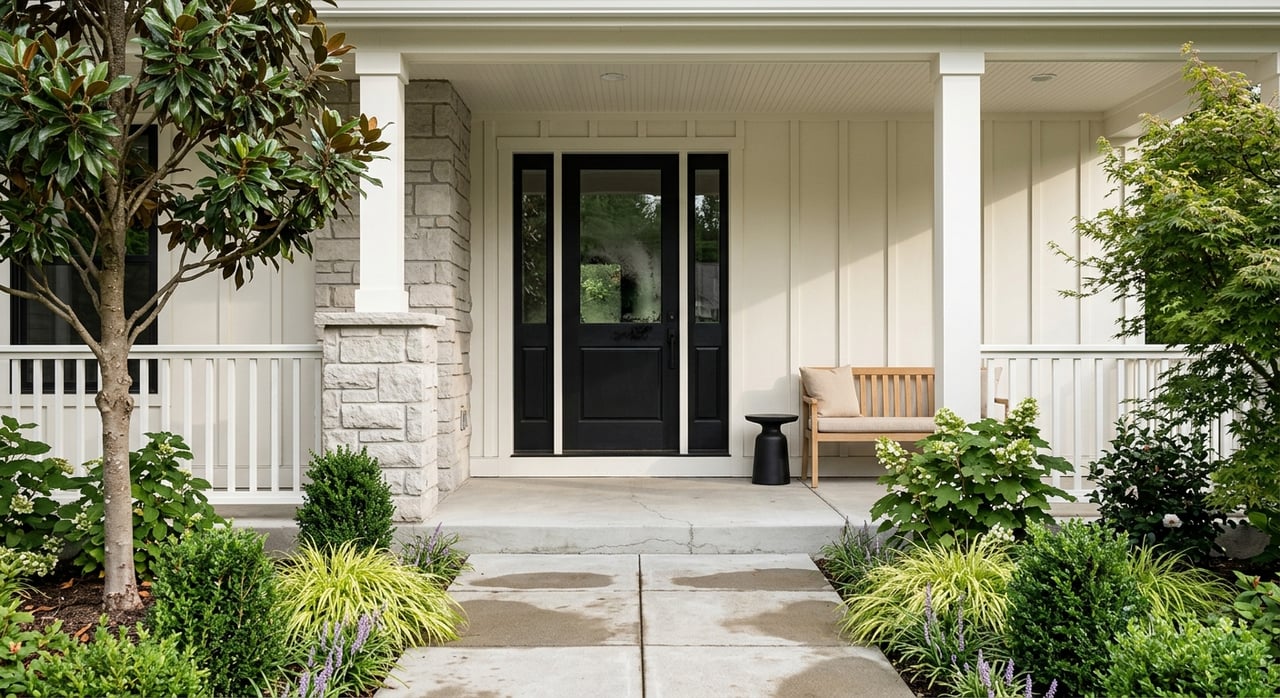
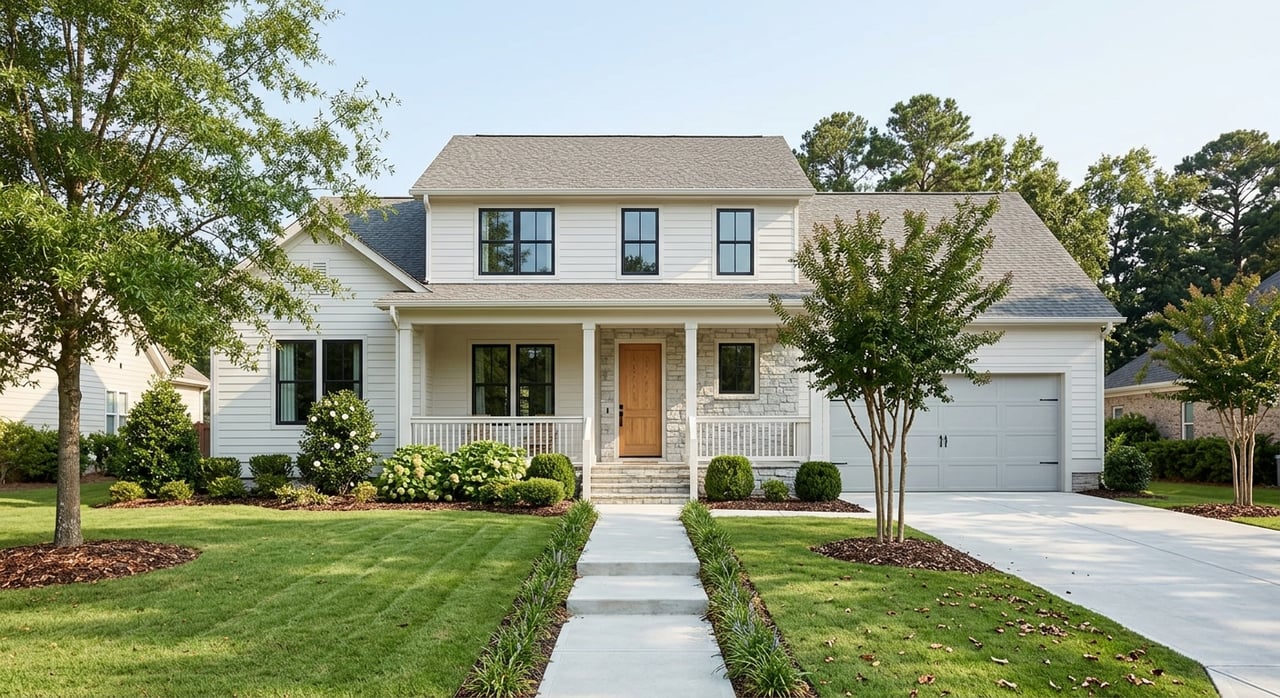
That variety can be appealing if you want options beyond one dominant look. You may find single-level homes, low-rise homes, and older properties with porches and practical layouts that feel especially comfortable for downsizing. Newer construction is also part of the picture, so your search can include both established neighborhoods and recently built communities.
Older homes in Charlotte often bring architectural charm and a more established streetscape. Some buyers appreciate details like porches, wide eaves, and layouts that feel less vertical than newer builds. Mecklenburg County’s historic materials note that Craftsman bungalows were especially practical in the South because broad eaves and porches suited hot weather.
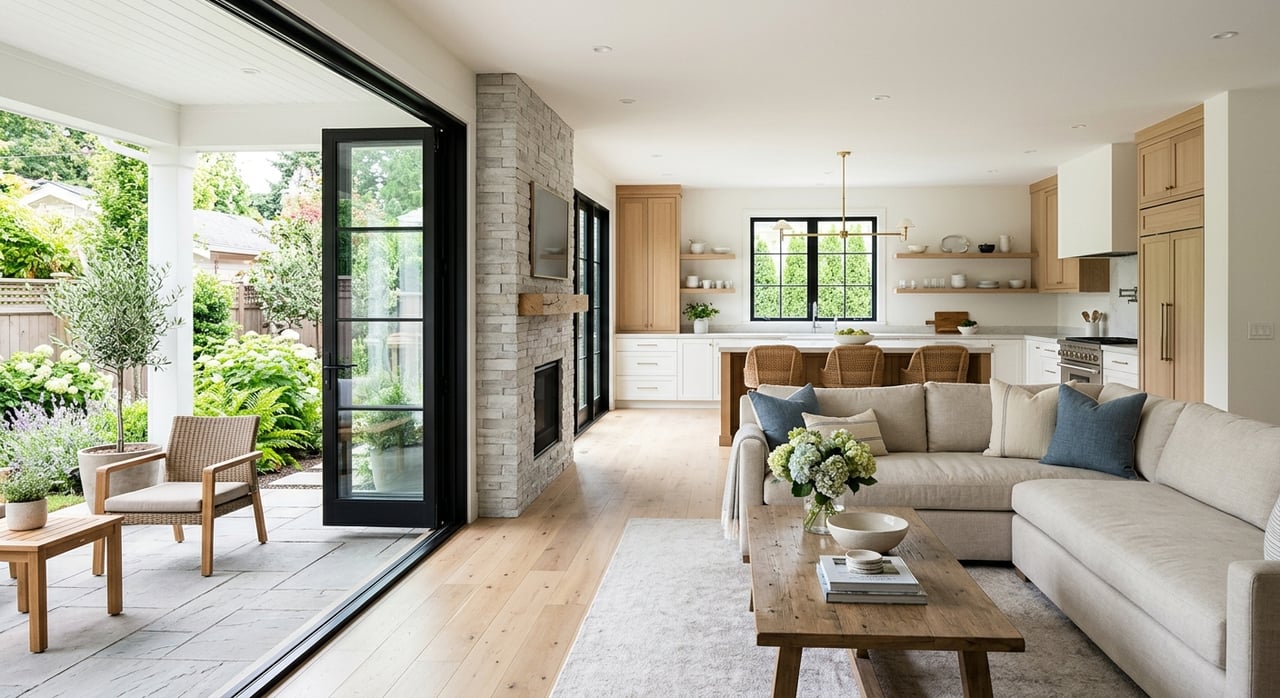
Newer homes may offer a different kind of appeal. You may see more open layouts, newer systems, and finishes that need less immediate updating. Because Mecklenburg County continues to add housing, newer options can be an important part of your search if move-in-ready living is a priority.
Before you start touring, decide which matters more to you: older character or newer construction. That one choice can make your search feel much more focused. It can also help you avoid spending time on homes that look good online but do not match your day-to-day needs.
Relocating is easier when you know how the numbers may shift. In Mecklenburg County, the median value of owner-occupied housing units is $371,200. Median selected monthly owner costs with a mortgage are $1,800, and median gross rent is $1,521.
For a rough comparison, Pennsylvania’s statewide median owner-occupied value is $240,500, while Maryland’s is $397,700. That places Mecklenburg County between those two statewide figures rather than at either extreme. For many Mid-Atlantic movers, that means Charlotte may feel more familiar in cost than expected, but your exact budget should still account for taxes and monthly ownership costs.
North Carolina’s individual income tax rate is 3.99% for taxable years beginning after 2025. Mecklenburg County’s FY2026 property tax rate is 49.27 cents per $100 of assessed value. The county’s general sales and use tax rate is currently 7.25% and is scheduled to rise to 8.25% on July 1, 2026.
These are not just abstract numbers. They affect your monthly cash flow, your closing-day planning, and your everyday spending after the move. If you are comparing Charlotte with a Mid-Atlantic market, this is one of the most useful places to slow down and run the numbers carefully.
Charlotte’s climate often feels like a meaningful lifestyle shift for Mid-Atlantic buyers. NOAA normals for 1991 through 2020 show an annual mean temperature of 61.4 degrees. January averages 52.3 degrees for highs and 31.8 degrees for lows, while July averages 90.3 degrees for highs and 69.9 degrees for lows.
Annual precipitation is 43.60 inches, and annual snowfall averages 3.5 inches. In practical terms, that usually means less snow management and more attention to air-conditioning, humidity, and summer thunderstorms. If you are used to planning around winter weather, your routines may shift toward staying cool and comfortable through the hottest part of the year.
Climate can shape what feels comfortable in a home. Wide porches, shade, and layouts that support easy cooling may matter more than they did in your previous market. If you are comparing homes, it helps to think beyond square footage and ask how the house may support your everyday comfort during a Charlotte summer.
Commute planning matters, especially in a high-growth county. Charlotte Area Transit System offers 69 local, express, and regional bus routes, along with the Blue Line, the Gold Line, vanpools, and special transportation services. That gives many residents more than one way to move through the area.
Charlotte Douglas International Airport is also a major convenience for relocators who expect to travel back to the Mid-Atlantic or host visitors. The airport reported 53.6 million passengers in 2025 and service to 193 destinations worldwide. The City of Charlotte describes CLT as one of the world’s busiest airports and American Airlines’ second-largest hub.
One of the most helpful planning steps is to set your commute radius before you tour homes. That includes work, family visits, airport access, and the places you expect to go every week. A home can check every design box and still feel less practical if the daily drive does not fit your routine.
A cross-state move goes more smoothly when you build the admin tasks into your timeline. North Carolina requires new residents who plan to drive to get a state driver license within 60 days of establishing permanent residence. After you obtain the license, you must title and register your vehicle when you accept gainful employment or when the reciprocity window expires, usually 30 days, whichever comes first.
The North Carolina DMV also notes that a vehicle inspection is required before registration renewal. These details are easy to overlook when you are balancing movers, utilities, and closing dates. A simple move calendar can make the transition feel much calmer.
Here are a few smart priorities to set early:
Charlotte offers a broad mix of housing ages and styles, which can be a real advantage if you want choices. It also means your search can feel scattered if you do not begin with a clear plan. A thoughtful relocation strategy usually starts with lifestyle, budget, and timing rather than browsing every available home.
If you are downsizing or planning a later-in-life move, a lower-maintenance home or a single-level layout may rise to the top of your list. If you want newer finishes and fewer near-term projects, newer construction may deserve more attention. The goal is not just finding a house in Mecklenburg County. It is finding a home that fits how you want to live once the boxes are unpacked.
A calm, well-organized move is often about reducing decisions, not adding more. When you narrow your priorities early, the process becomes clearer and more manageable. That is especially true when you are moving from out of state and want your next chapter to begin with confidence.
If you are planning a move to North Carolina and want a thoughtful, concierge-style approach, Donna Mechura can help you navigate the process with clear communication, practical guidance, and care at every step.
Stay up to date on the latest real estate trends.


I am committed to guiding you every step of the way—whether you're buying a home, selling a property, or securing a mortgage. Whatever your needs, I've got you covered.

Donna Mechura
4525 Sharon Rd, 3rd Floor Charlotte, NC 28211