Design-Led Strategies To Sell Your Ballantyne Home
Donna Mechura June 4, 2026
Donna Mechura June 4, 2026
Selling in Ballantyne takes more than putting a sign in the yard and hoping the right buyer shows up. In a market where buyers often decide online first, design and presentation can shape how fast your home sells and how strong your offers look. If you want your home to feel polished, current, and easy to love, a design-led strategy can give you a real edge. Let’s dive in.
Ballantyne is not just one neighborhood with one story. It is a large south Charlotte district with a strong mix of business, retail, recreation, and residential appeal, and the ongoing Ballantyne Reimagined plan continues to add amenities like Stream Park, The Amp, The Bowl at Ballantyne, greenway access, road improvements, and a direct connector to Johnston Road from the I-485 Express Lanes. That means buyers are often shopping for more than a house alone. They are also responding to convenience, lifestyle, and a sense of polish.
That local context makes presentation even more important. When buyers compare homes in different Ballantyne pockets, they are often weighing condition, style, and ease of move-in alongside price. A home that feels bright, calm, and well cared for can stand out more clearly in a market with varied subareas and buyer expectations.
Market conditions are not moving the same way across Ballantyne. In April 2026, Redfin reported a median sale price of $662,254 in Ballantyne East, down 5.4 percent year over year, with homes taking about 93 days to sell. Over the same period, Ballantyne West showed a median sale price of $477,323, up 2.7 percent year over year, with homes averaging about 52 days on market and a 97.5 percent sale-to-list ratio.
That difference matters if you are preparing to sell. It means your strategy should reflect your specific pocket of Ballantyne, not a broad headline about the area. Design, pricing, and launch timing should work together so your home meets the expectations of the buyers most likely to shop in your segment.
Today’s buyers are highly visual. According to the 2025 NAR staging report, 83 percent of buyers’ agents said staging made it easier for buyers to picture a property as their future home. Another 29 percent said staging increased the dollar value offered by 1 percent to 10 percent, and 49 percent of sellers’ agents said staging reduced time on market.
Those numbers support a simple truth: buyers want to feel something when they walk in or scroll through a listing. They are not only measuring square footage. They are asking themselves whether the home feels easy, updated, and ready for their next chapter.
NAR also found that the rooms buyers care about most are the living room, primary bedroom, and kitchen. If you are deciding where to invest time and money, those spaces usually deserve the most attention. They tend to carry the emotional weight of the home and often anchor the photo set as well.
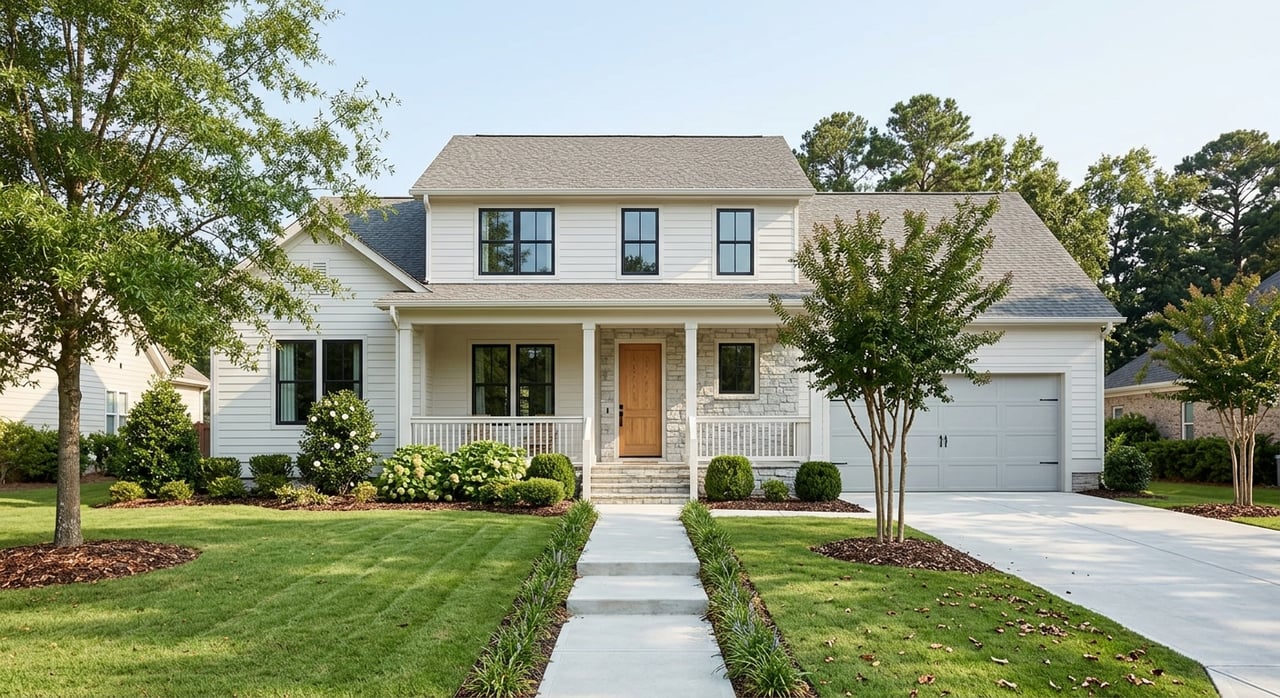
Curb appeal is your first filter. Buyers often see the exterior online before they ever schedule a showing, and NAR notes that a neglected exterior can cause buyers to scroll right past a listing. The same reporting says strong curb appeal can raise perceived value by as much as 7 percent.
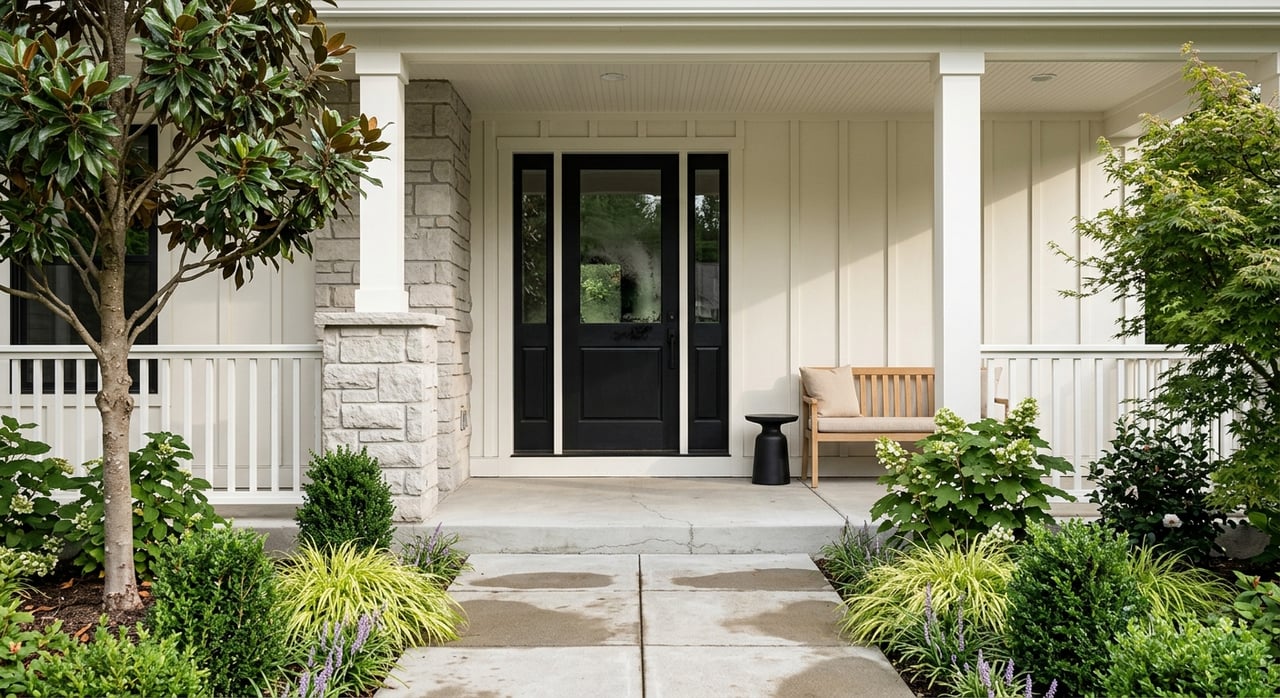
In Ballantyne, curb appeal does not have to mean a major renovation. It usually means creating a clean, intentional first impression. Fresh mulch, trimmed landscaping, pressure washing, and a neat front entry can quickly make the home feel more current and more cared for.
These are small changes, but together they help buyers arrive with confidence. That matters more than ever in a market where appearance shapes expectations before the front door opens.
A design-led sale is not about making your home look trendy. It is about helping buyers connect with the space quickly and clearly. That usually starts by simplifying each room so its purpose, scale, and light are easy to understand.
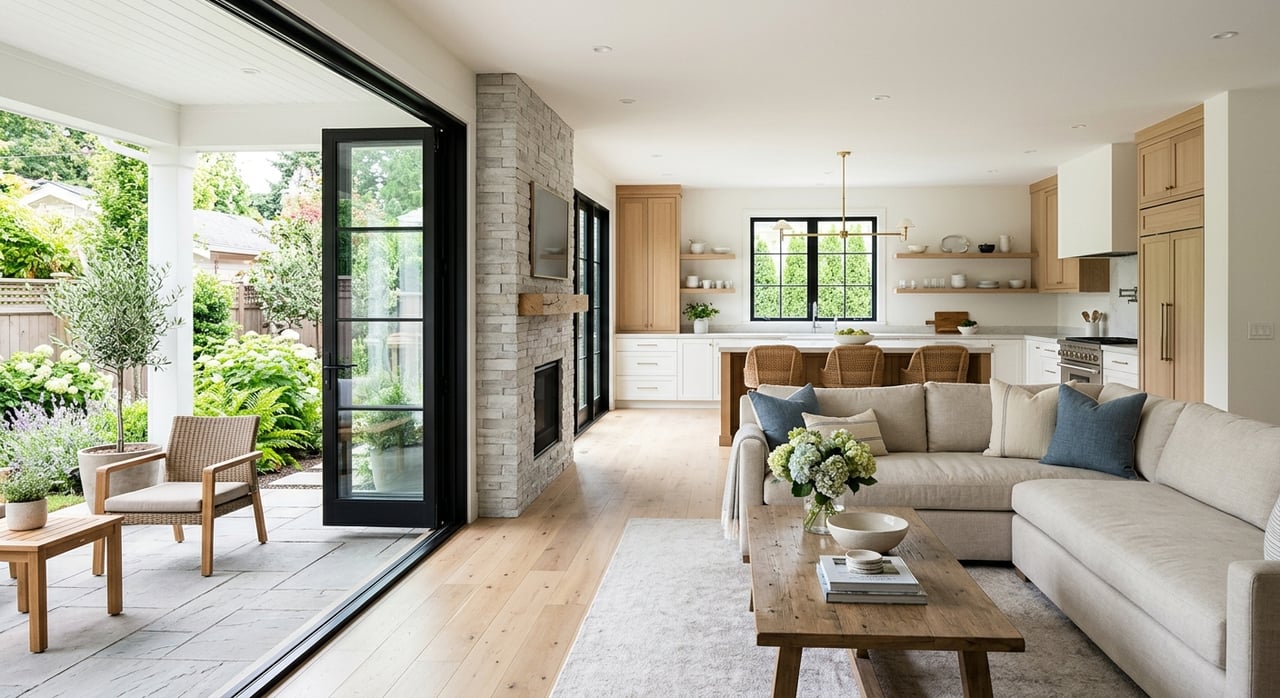
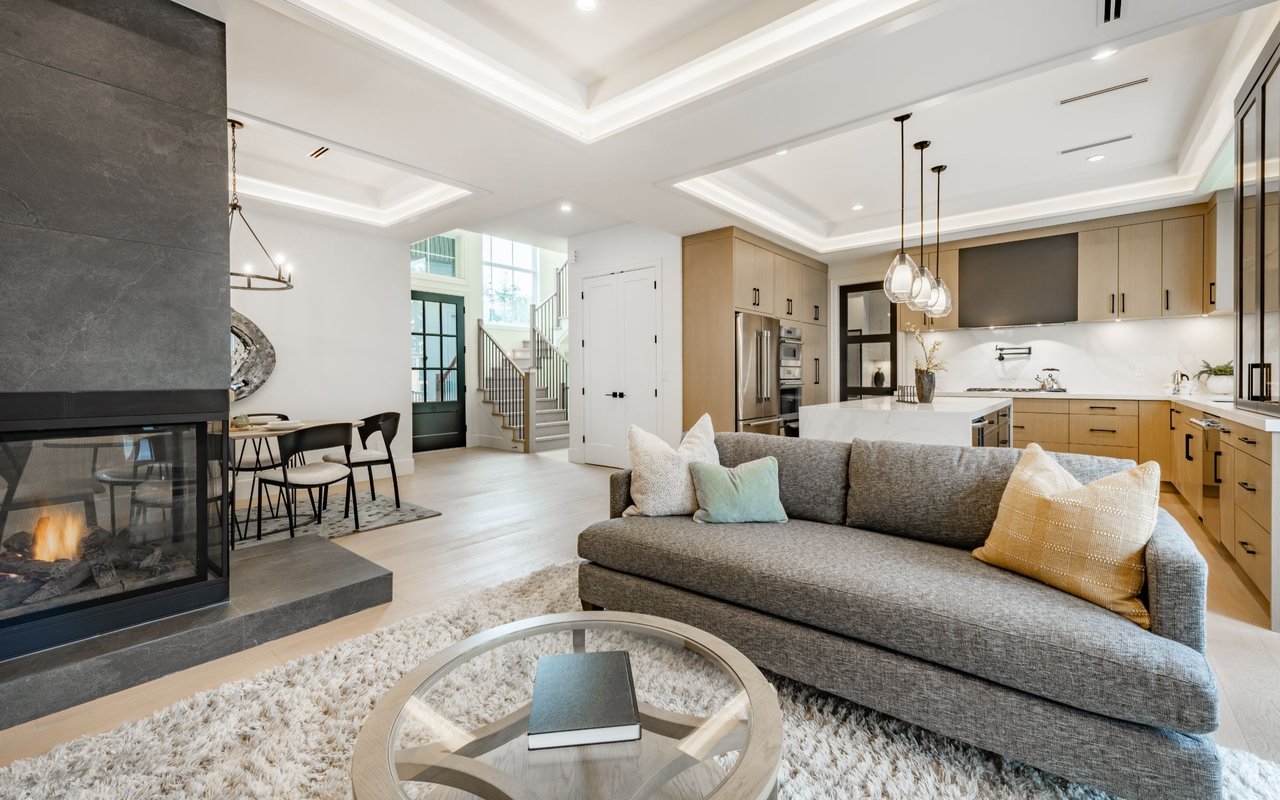
The living room should feel open and inviting. The primary bedroom should feel restful and spacious. The kitchen should feel clean, bright, and functional. When these rooms are overloaded with furniture, personal items, or dark finishes, buyers can focus on the wrong details.
Edit furniture so traffic flow is obvious and conversation areas feel natural. Clear surfaces, lighten heavy decor, and let windows take the spotlight. If the room photographs dark, your online performance can suffer before a buyer ever visits.
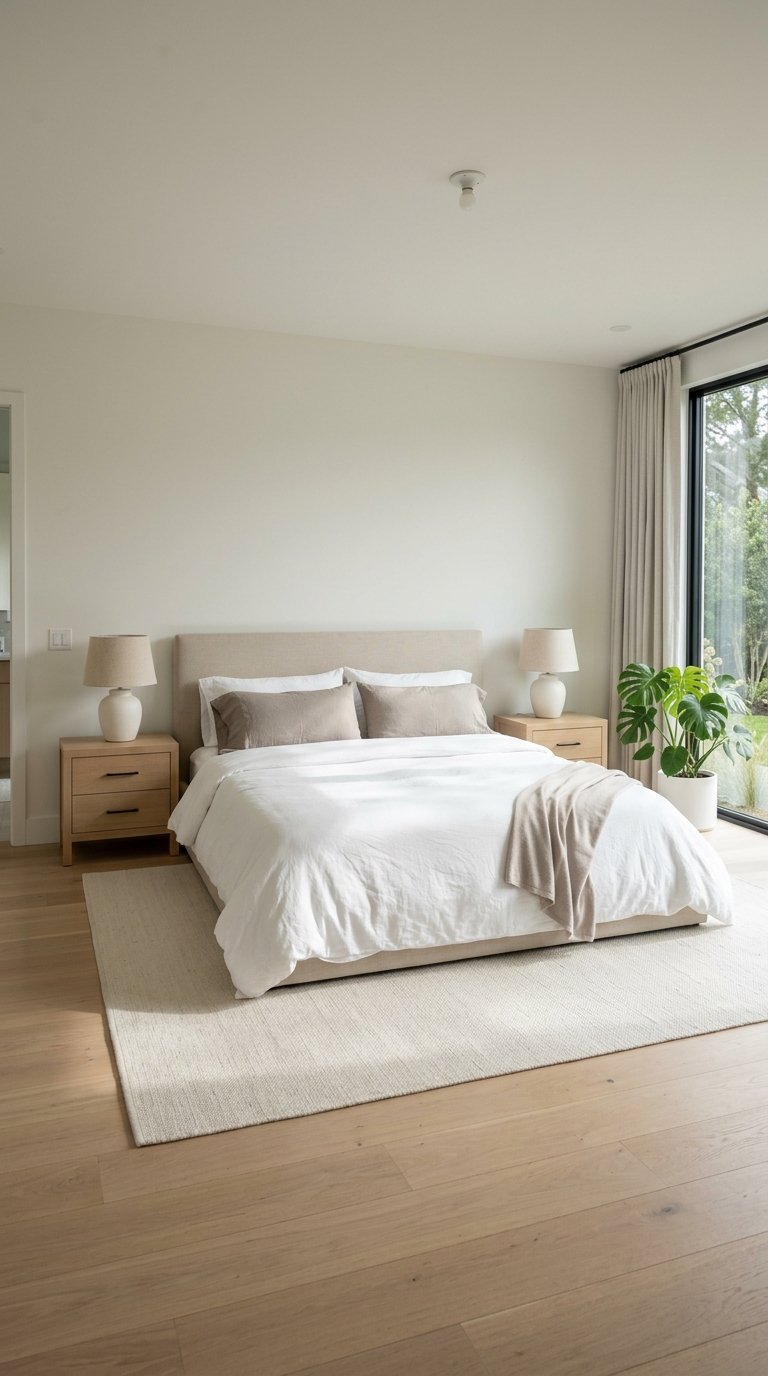
Keep bedding neutral and crisp, and remove extra furniture that makes the room feel tight. The goal is calm, not empty. Buyers should be able to picture comfort and retreat, not a to-do list.
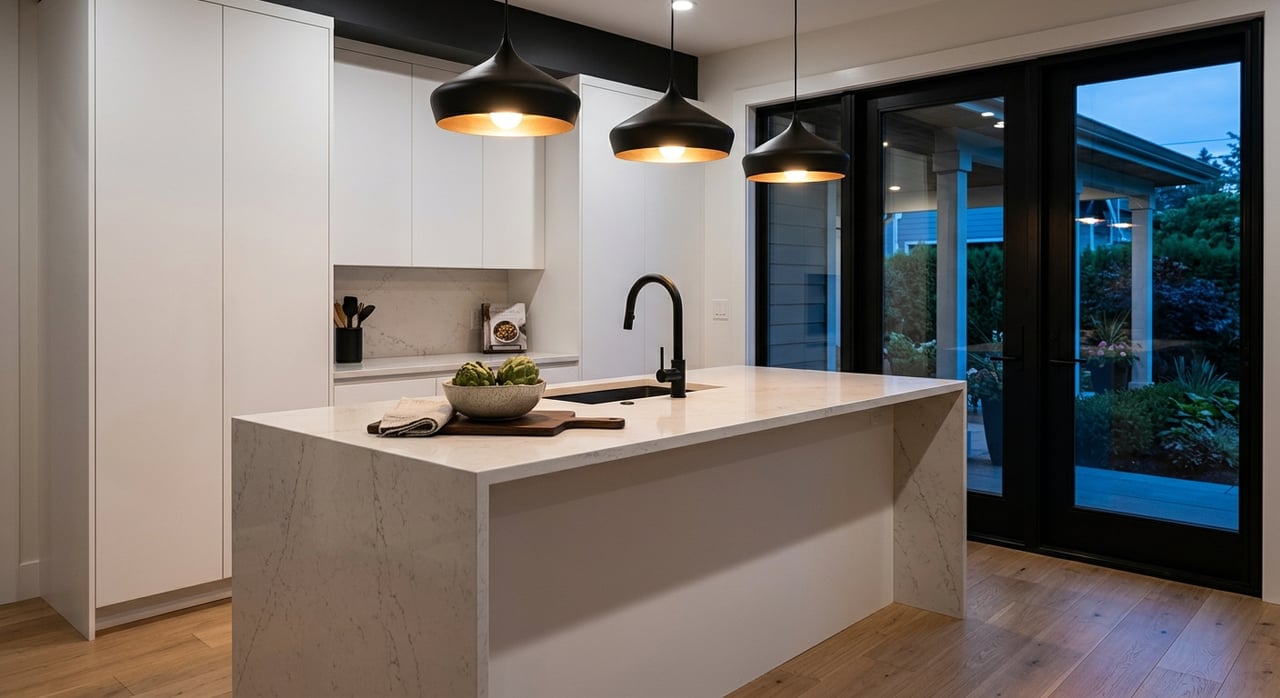
Clear countertops, minimize small appliances, and bring consistency to lighting and styling. A kitchen does not need to be brand new to show well. It does need to feel clean, bright, and easy to maintain.
Many sellers think staging begins with furniture. In reality, it often begins with editing. NAR reports that common seller improvements include decluttering, cleaning, and improving curb appeal, and that buyers are often disappointed when homes do not live up to the polished look they expected.
That matters because buyers are comparing your home to the most visually appealing listings they see online. If your rooms feel busy, dark, or highly personalized, buyers may assume the home will require more effort after closing. In Ballantyne, where convenience and lifestyle are part of the appeal, that can weaken your position.
The goal is not to erase personality. It is to help the architecture, layout, and natural light speak more clearly.
Great listing photos are not a bonus anymore. They are one of the main ways buyers decide whether your home is worth a closer look. NAR reports that listing photos often determine whether a buyer clicks into a home or keeps scrolling, and the lead image sets expectations for the rest of the listing.
The 2025 NAR buyer survey reinforces that point. It found that 83 percent of buyers wanted photos, 79 percent wanted detailed property information, 57 percent wanted floor plans, 41 percent wanted virtual tours, and 29 percent wanted videos. That tells you many buyers are screening homes remotely before deciding to visit.
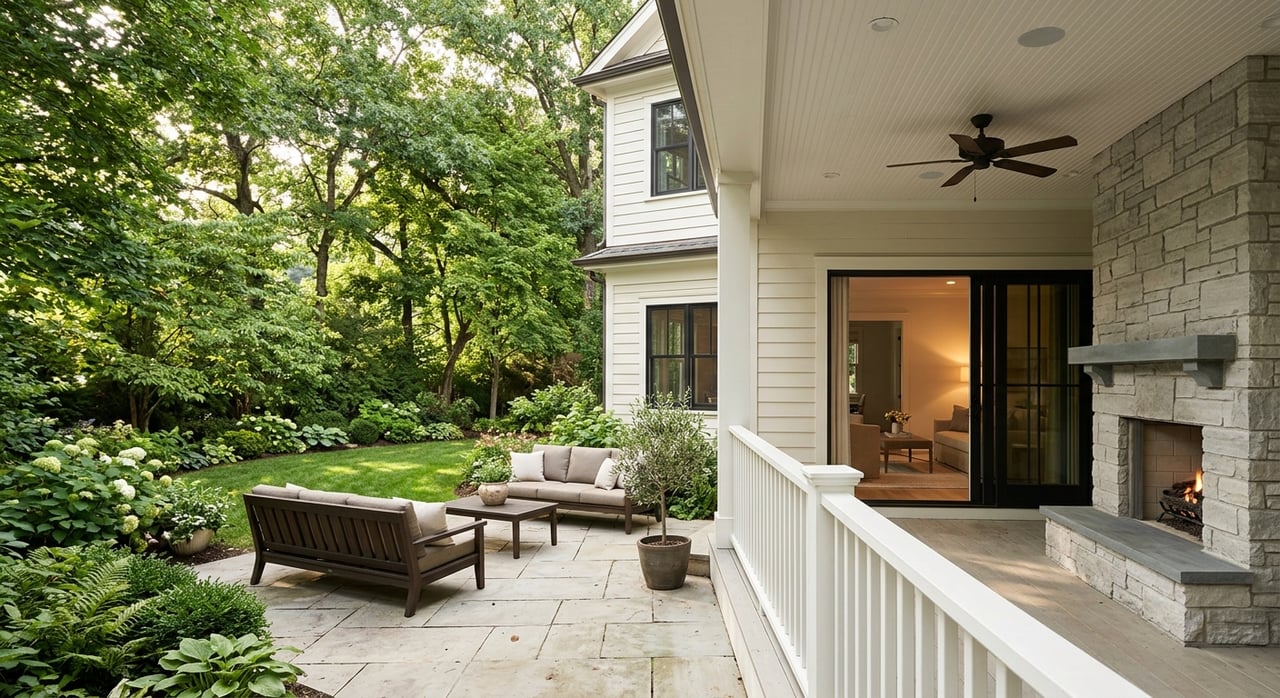
In practical terms, your listing package should tell a complete visual story. Bright rooms, consistent lighting, strong lead images, accurate flow from one room to the next, and a clear sense of indoor-outdoor connection all help buyers move from curiosity to action.
Ballantyne attracts busy professionals, local movers, and relocation-minded buyers who may start their search from a phone or laptop. For those buyers, visual tools help narrow options quickly. Floor plans answer practical questions, while virtual tours and video help buyers understand circulation and scale.
That kind of marketing fits the way buyers shop now. It also supports a more confident showing experience because buyers arrive with a better understanding of the home. When the in-person experience matches the online story, trust goes up.
There is one important caution here. Overediting photos or relying too heavily on virtual staging can create a mismatch between the listing and the actual home. NAR has warned that overly polished imagery can mislead buyers if the photos no longer reflect the property’s true condition.
A better approach is to elevate what is real. Clean styling, strong lighting, and thoughtful staging usually outperform imagery that feels too perfect to be true. Buyers want clarity as much as beauty.
Presentation is strongest when it is paired with a thoughtful launch. Compass promotes a three-phase approach that begins with Private Exclusive, then Coming Soon, then public websites. For sellers, that creates a controlled way to test pricing, gather feedback, and build anticipation before the full public debut.
In Ballantyne, this kind of rollout can be especially useful when you want to fine-tune your positioning. Early insights can help you understand how buyers are responding to price, condition, and presentation. It is not about promising a higher sale. It is about entering the market with more information and more intention.
If you want to keep your pre-listing work focused, think in this order:
This is where design becomes more than decoration. It becomes a tool that supports pricing, marketing, and buyer confidence.
If you are preparing to sell in Ballantyne, a design-forward plan can help your home feel more compelling from the very first impression to the final showing. And when that plan is tailored to your part of the market, it becomes even more effective. When you are ready for a thoughtful, concierge approach to presentation and launch, connect with Donna Mechura.
Stay up to date on the latest real estate trends.

I am committed to guiding you every step of the way—whether you're buying a home, selling a property, or securing a mortgage. Whatever your needs, I've got you covered.
Donna Mechura
4525 Sharon Rd, 3rd Floor Charlotte, NC 28211