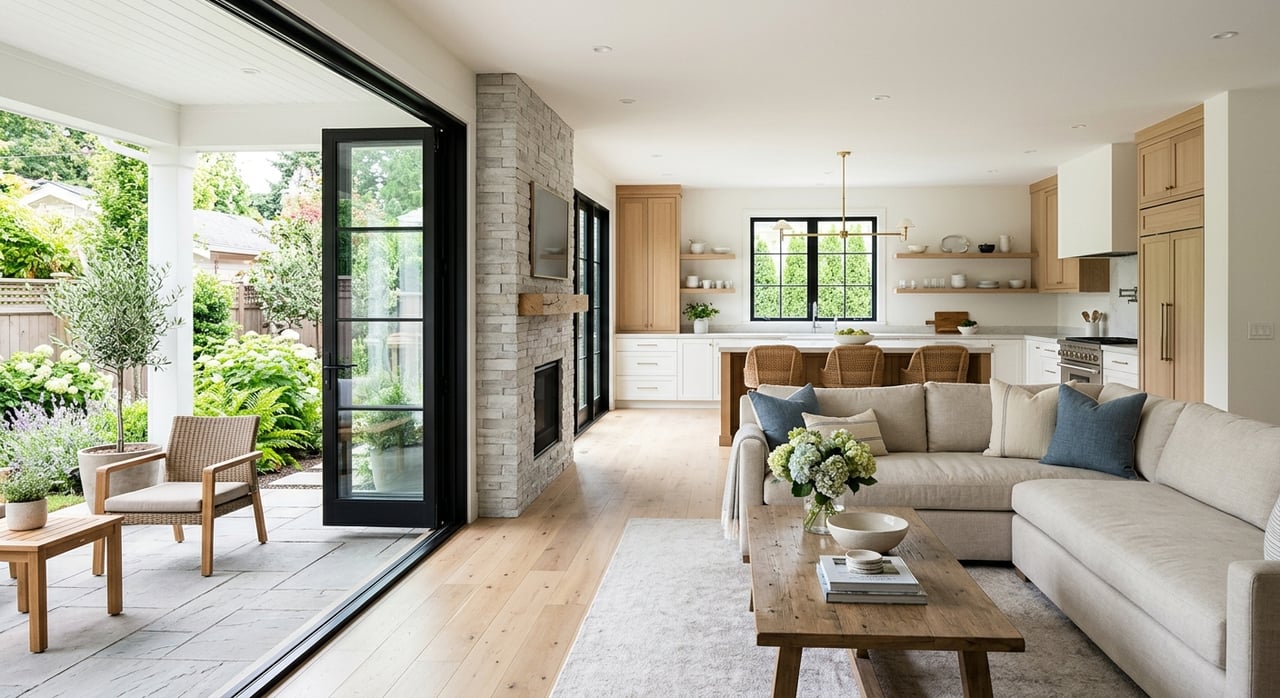
Huntersville vs Charlotte Homes: Find Your Best Fit
May 21, 2026
May 21, 2026
Trying to choose between Huntersville and Charlotte for your next move? You are not alone. Both put you in Mecklenburg County, but the day-to-day experience can feel very different depending on where you land. If you are weighing commute, housing style, walkability, and ownership tradeoffs, this guide will help you compare the two with more confidence. Let’s dive in.
The biggest difference between Huntersville and Charlotte often comes down to how you want your days to feel. Huntersville is generally the more suburban choice, with a mix of residential areas, retail centers, and selected pedestrian-friendly pockets. Charlotte, especially in its closer-in neighborhoods, offers a more urban pace with denser development and more built-in day-to-day infrastructure.
That does not make one better than the other. It simply means your best fit depends on what you value most. If you want a quieter suburban base with some convenient mixed-use areas, Huntersville may feel more natural. If you want easier city access, more urban neighborhoods, and a broader mix of older homes, Charlotte may check more boxes.
Huntersville has grown far beyond its small-town roots. Today, it blends residential living with retail and mixed-use destinations, giving you a suburban setting with a few more walkable pockets than some buyers expect. One of the clearest examples is Birkdale Village, which was designed as a pedestrian-oriented mixed-use destination with shops, residences, office space, and a central gathering green.
For many buyers, that means Huntersville can offer a comfortable middle ground. You can enjoy a more suburban home base while still having access to places built for strolling, dining, and errands in a single area. That setup often appeals to buyers who want convenience without giving up space or a more neighborhood-driven feel.
Huntersville may be a strong match if you are looking for:
Charlotte is a much larger city, and that scale shows up in its neighborhoods, transportation options, and housing mix. Closer-in areas offer a more urban rhythm, with stronger transit access, more parking management, and neighborhoods shaped by older development patterns. For some buyers, that energy is exactly the point.
The city also offers more established neighborhoods with distinct physical character. Areas such as Dilworth, Plaza Midwood, Fourth Ward, and Wilmore are known for older housing stock and a wider mix of architectural styles. If you like the idea of mature streetscapes, character homes, and being closer to city amenities, Charlotte may be the stronger fit.
Charlotte may make more sense if you want:
Your transportation habits can quickly tip the scales. In Huntersville, driving is usually the main mode of getting around. CATS Micro serves Huntersville, Cornelius, and Davidson daily from 6 a.m. to 7 p.m., with a fare of $2.20 per trip, but it is better understood as a backup or supplemental option than a full replacement for a car-based routine.
Huntersville is also connected to future and developing mobility improvements. Hambright Park and Ride is being built as a mobility hub tied to I-77 Express Bus services. At the same time, the Red Line remains a long-term planned commuter rail project, not a current service you can rely on today.
In closer-in Charlotte neighborhoods, transportation looks different. The Gold Line streetcar connects Historic West End through Center City to Elizabeth, and several neighborhoods have managed parking programs or residential permit parking. Areas including Uptown, South End, Elizabeth, NoDa, and Commonwealth Avenue in Plaza Midwood are part of the city’s Park It program, while permit parking also applies in First Ward, Third Ward, Fourth Ward, Dilworth, and Wilmore.
That tells you something important about lifestyle. Huntersville tends to work well if you are comfortable driving most days. Closer-in Charlotte may be the better fit if you want more transit access and are prepared for tighter parking rules.
Housing character is another major point of contrast. In Huntersville, the overall feel is more suburban and often newer in presentation. You are more likely to find townhomes and single-family homes near master-planned or retail-adjacent areas, especially around established mixed-use nodes.
Charlotte’s closer-in neighborhoods offer a more varied and established housing mix. Dilworth was Charlotte’s first suburb and was linked to downtown by the city’s first electric streetcar. Plaza Midwood includes architecture ranging from Victorian homes to mid-20th-century houses, while Wilmore remains primarily single-family but also includes duplexes, apartment buildings, churches, and commercial buildings.
For buyers, that often translates into a simple choice. If you prefer a newer-feeling home environment with a more flexible suburban layout, Huntersville may feel easier. If you are drawn to older homes, layered neighborhood character, and more architectural variety, Charlotte usually has the edge.
If you are considering a home in one of Charlotte’s local historic districts, it is important to understand the extra ownership layer that can come with it. Exterior changes generally require approval from the Historic District Commission. A Certificate of Appropriateness is required before construction can begin in a local historic district.
That can affect projects involving windows, doors, fences, or exterior materials after you purchase. For some buyers, that oversight helps preserve the setting they value. For others, it may feel like a restriction, so it is worth reviewing before you commit.
If walkability is high on your list, the difference between Huntersville and Charlotte becomes clearer. Huntersville has walkable nodes, with Birkdale Village standing out as the best-known example. These pockets can offer a convenient, enjoyable experience for shopping, dining, and spending time outdoors.
Charlotte’s closer-in neighborhoods tell a broader walkability story. In many of these areas, walkability is part of the larger neighborhood fabric rather than limited to a single center. If you want more places where errands, dining, or local outings can happen without getting in the car every time, Charlotte often provides that more consistently.
When buyers ask which option is more affordable, the honest answer is that it depends on what you mean by value. Huntersville often buys a more suburban lifestyle, newer construction, and easier parking. Inner Charlotte often buys location, transit access, walkability, and older homes with character.
That is why it helps to think beyond the list price. Mecklenburg County notes that the county property tax rate applies countywide, and your total tax bill also includes a municipal tax from Charlotte or one of the county towns. Charlotte’s FY2025 city tax rate was 27.41 cents per $100 of assessed value, and the city’s FY2026 proposed budget stated that property taxes would not increase.
Before you choose, verify the current municipal tax rate, any HOA dues, and neighborhood-specific parking or property rules during due diligence. In Charlotte’s inner neighborhoods, parking policies and historic-district requirements can become part of the ownership equation. In Huntersville, the tradeoff is more often commute time and a more car-oriented routine.
If you are still torn, it can help to frame the choice around your real-life goals instead of broad labels. Think about how often you want to drive, what kind of home style feels right, and whether you care more about space or proximity. The best decision usually comes from matching the home base to your habits, not just the map.
The choice between Huntersville and Charlotte is really a choice about lifestyle. Huntersville offers a suburban base with convenient mixed-use pockets and a newer overall feel. Charlotte offers stronger city access, more urban infrastructure, and a housing mix that often appeals to buyers looking for character and walkability.
If you want help sorting through what matters most for your move, neighborhood fit, or long-term ownership goals, working with an experienced advisor can make the process much clearer. When you are ready for thoughtful, concierge-style guidance, connect with Donna Mechura.
Stay up to date on the latest real estate trends.

I am committed to guiding you every step of the way—whether you're buying a home, selling a property, or securing a mortgage. Whatever your needs, I've got you covered.
Donna Mechura
4525 Sharon Rd, 3rd Floor Charlotte, NC 28211